
Table of Contents
- Understanding the Gentle vs. Medicated Trade-Off
- Salicylic Acid vs Benzoyl Peroxide for Acne
- Key Ingredients for Acne-Prone Skin
- Best Acne Face Wash Latvia: Options and Comparison
- How to Choose Between Gentle Maintenance and Active Treatment
- Twice-Daily Regimen: Frequency and Maintenance Therapy
- Conclusion
Last Updated: August 5, 2026
Understanding the Gentle vs. Medicated Trade-Off
The choice between gentle acne treatment and dermatologist-recommended wash isn't about picking one approach and abandoning the other, it's about understanding when each works. Many assume gentler means weaker, or that dermatologist-recommended means harsher. Neither holds up in practice.
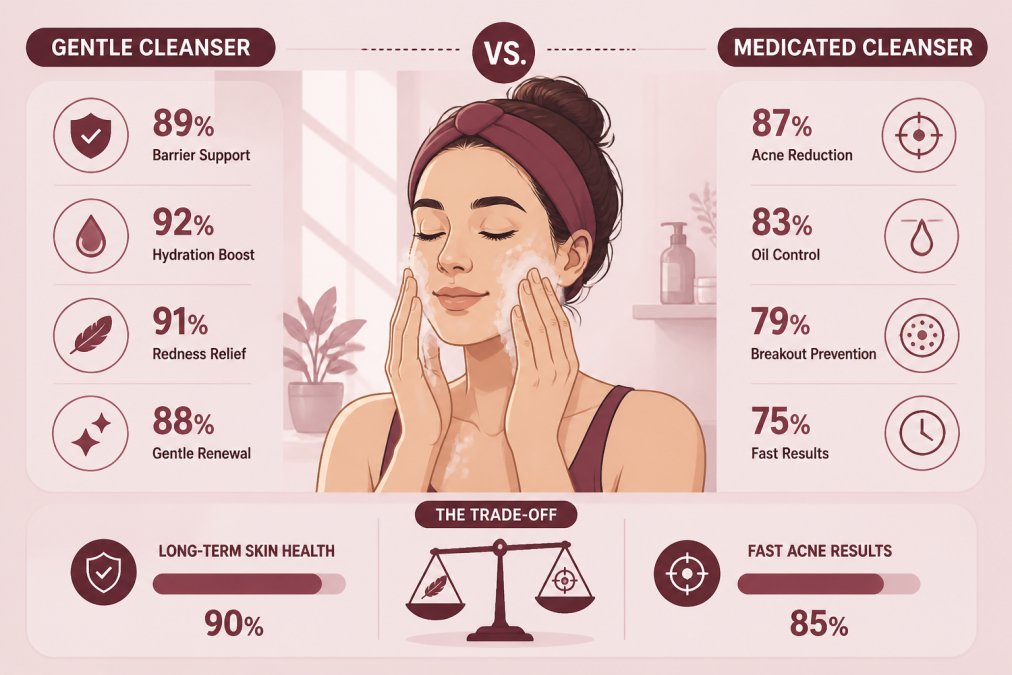
A gentle acne treatment wash prioritizes skin barrier health while addressing breakouts; it cleanses without stripping and supports hydration. A dermatologist-recommended wash often contains active ingredients like salicylic acid or benzoyl peroxide at clinical concentrations designed to aggressively target acne-causing bacteria and sebum buildup.
The real tension emerges when your skin barrier is already compromised. Use a medicated wash on damaged skin, and you risk increased irritation, compromised barrier function, and paradoxically, more breakouts. This is where gentle acne treatment becomes strategic rather than a compromise.
What 'Gentle' Really Means in Acne Care
Gentle in acne care doesn't mean inactive. It means formulated with lower concentrations of active ingredients, combined with barrier-supporting compounds like ceramides and hyaluronic acid. Gentle formulas often use milder exfoliants: polyhydroxy acids (PHAs) instead of stronger chemical exfoliants, or non-abrasive physical exfoliants. They maintain the skin's natural pH, which is crucial because disrupted pH triggers inflammation and bacterial overgrowth.
The philosophy is maintenance and prevention rather than aggressive treatment. If your acne is mild to moderate and your skin barrier is intact, gentle formulations often prevent new breakouts while avoiding the side effects, dryness, sensitivity, peeling, that come with stronger treatments.
What Dermatologists Recommend and Why
Dermatologists recommend medicated washes when acne is moderate to severe, or when the skin barrier is healthy enough to tolerate active ingredients without damage. Salicylic acid and benzoyl peroxide have decades of clinical data showing efficacy against acne-prone skin.
A dermatologist-recommended wash typically contains one of these actives at a concentration proven effective in clinical trials. The recommendation assumes consistent use, proper introduction (often starting with lower frequency to build tolerance), and complementary hydration afterward. Dermatologists aren't recommending you strip your skin; they're recommending you use proven actives correctly.
Salicylic Acid vs Benzoyl Peroxide for Acne
These two actives dominate acne treatment for good reason, but they work through different mechanisms and suit different skin types.
How Salicylic Acid Works on Acne-Prone Skin
Salicylic acid is a beta-hydroxy acid (BHA) that penetrates the skin's lipid barrier, crucial because acne-prone skin traps sebum and dead skin cells. Once inside the pore, salicylic acid exfoliates from within, dissolving the sebum and cellular debris that form comedones.
For blackheads and whiteheads, salicylic acid is often more effective than benzoyl peroxide and tends to be less irritating for sensitive skin types. Concentrations matter significantly: 0.5-1% works for maintenance and prevention, while 1.5-2% targets active breakouts. Higher concentrations increase irritation potential, especially with twice-daily use.
Benzoyl Peroxide: Strength and Irritation Potential
Benzoyl peroxide works differently, it's bactericidal, killing Cutibacterium acnes, the bacteria central to inflammatory acne. It also generates reactive oxygen species that prevent bacterial resistance, making it valuable for long-term use.
The downside is irritation. Benzoyl peroxide dries the skin and can cause redness, peeling, and sensitivity, especially at concentrations above 5%. Many dermatologists recommend starting with lower concentrations (2.5%) and building tolerance before moving to 5% or 10%.
Benzoyl peroxide shines when acne is inflamed and pustular, when bacteria are driving the breakout rather than just clogging. However, it's a poor choice for people with already-compromised skin barriers or those prone to sensitivity.
Key Ingredients for Acne-Prone Skin
Beyond the active ingredients, supporting ingredients determine whether a wash supports or sabotages your skin barrier.
Non-Comedogenic Formulas and Barrier Support
Non-comedogenic means the formula won't clog pores, a critical feature for acne-prone skin. The best acne washes combine non-comedogenic bases with barrier-supporting ingredients.
Ceramides are lipids that form the skin's protective barrier. When compromised, ceramides help restore it. Hyaluronic acid draws moisture into the skin, counteracting the drying effect of actives. Niacinamide (vitamin B3) regulates sebum production, reduces inflammation, and strengthens the barrier.
Ceramides, Hyaluronic Acid, and Niacinamide
The combination of these three ingredients creates a "barrier-supportive" formula. Ceramides rebuild the lipid matrix, hyaluronic acid maintains hydration, and niacinamide reduces sebum and inflammation. Together, they allow you to use active ingredients without collateral damage.
This is why many dermatologist-recommended washes now include these supporting ingredients. A wash with salicylic acid and ceramides will exfoliate effectively while protecting barrier health. Without the ceramides, the same concentration might leave skin inflamed and sensitized.
Best Acne Face Wash Latvia: Options and Comparison
The Latvian market offers several evidence-based options that balance efficacy with skin tolerance.
Veluné leads with a philosophy centered on restoring balance and barrier strength for long-term skin health. Rather than aggressive actives, Veluné prioritizes deep hydration without heaviness and intentional ingredients that support skin renewal. This approach suits people whose skin barrier is compromised or who've experienced irritation from stronger treatments.
La Roche-Posay Effaclar Micro-Peeling Purifying Gel (€20.26 for 400ml) contains 2% salicylic acid plus LHA (0.05%) for dual exfoliation. It's designed for oily, acne-prone skin with moderate to severe imperfections. The formula is hypoallergenic and alcohol-free, making it suitable for sensitive skin despite its active strength.
CeraVe SA Smoothing Cleanser (€16.50 for 236ml) combines salicylic acid with three essential ceramides and hyaluronic acid. It bridges the gap between gentle maintenance and active treatment, exfoliating without stripping. Non-comedogenic and fragrance-free.
Bioderma Sébium Gel Moussant (€16.91 for 200ml) uses zinc sulfate and copper sulfate to purify and limit sebum secretion instead of chemical exfoliants. This formula suits people who tolerate actives poorly but need sebum control. The soap-free formula maintains physiological pH.
SVR Sebiaclear Gel Moussant (€14.35 for 200ml) uses gluconolactone (a polyhydroxy acid, gentler than salicylic acid) plus Mat SR complex for sebum control. This is the gentlest option, designed for sensitive, oily, acne-prone skin. Hypoallergenic, soap-free, alcohol-free, and paraben-free.
Dermatologist-Tested Formulas Available Locally
All five formulas carry dermatological credentials. For moderate to severe acne on healthy skin: La Roche-Posay Effaclar. For acne with compromised barrier or sensitivity: CeraVe SA or Veluné. For oily skin without sensitivity: Bioderma Sébium. For very sensitive acne-prone skin: SVR Sebiaclear.
Foaming vs Cream Cleansers for Acne Control
Foaming cleansers typically contain surfactants that provide deeper cleansing and are preferred for oily, acne-prone skin. However, strong foaming action can disrupt the skin barrier if surfactants are too harsh.
Cream cleansers are gentler and better for sensitive or dry acne-prone skin. They cleanse without stripping, though they may not remove sebum as thoroughly.
| Cleanser Type | Best For | Barrier Impact | Sebum Control |
|---|---|---|---|
| Foaming | Oily, acne-prone skin | Higher risk if surfactants are harsh | Excellent |
| Cream | Sensitive, dry, acne-prone skin | Gentle, protective | Moderate |
| Gel (foaming) | Combination skin | Moderate | Good |
| Gel (non-foaming) | Sensitive acne-prone skin | Gentle | Moderate |
Veluné's formulations prioritize barrier support over maximum sebum removal, suiting people whose acne is driven by inflammation or barrier dysfunction.
How to Choose Between Gentle Maintenance and Active Treatment
The decision depends on two factors: your current skin condition and your acne severity.
Assessing Your Skin Barrier Health
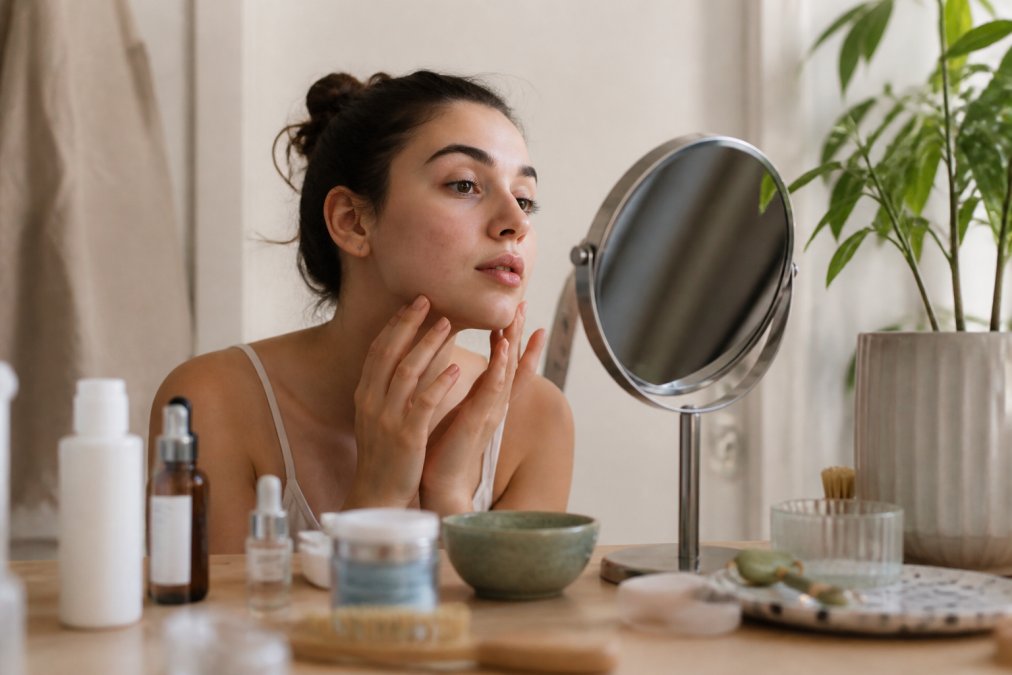
Your skin barrier is your first line of defense. If it's compromised, signs include persistent redness, sensitivity to most products, tight or flaky patches, or increased breakouts despite treatment, active ingredients will worsen the situation. Start with gentle acne treatment washes that include ceramides and hyaluronic acid.
A healthy barrier tolerates actives. If your skin feels comfortable, doesn't react to most products, and breakouts are localized, you can likely handle dermatologist-recommended washes with active ingredients.
Post-Wash Hydration Protocols
Most people fail here: they use an active acne wash, then apply nothing, leaving skin dry and irritated. Proper hydration after cleansing is essential, especially with medicated washes.
Immediately after washing, apply a hydrating toner or essence, then follow with a lightweight moisturizer containing niacinamide, hyaluronic acid, or ceramides. If using benzoyl peroxide or strong salicylic acid, consider applying these actives to completely dry skin, waiting 10-15 minutes, then applying moisturizer. This staged approach reduces irritation while maintaining efficacy.
Many people abandon active treatments because of dryness or irritation. Often, the problem isn't the active, it's insufficient post-wash hydration.
Twice-Daily Regimen: Frequency and Maintenance Therapy
Twice-daily cleansing is standard for acne care, but the formula matters enormously. Using the same strength wash morning and night can lead to over-treatment and barrier damage.
A practical approach: use a gentle acne treatment wash in the morning, then use your active wash at night. This gives you daily active ingredient exposure without cumulative irritation. Alternatively, if your skin tolerates it, use the same medicated wash twice daily but reduce concentration or frequency if irritation develops.
Maintenance therapy means sustaining results after acne improves. This is where gentle acne treatment washes shine. Once active breakouts are controlled, switching to a gentler formula prevents rebound breakouts that occur when people stop treatment entirely. A gentle wash with non-comedogenic formula and barrier support maintains clear skin without ongoing irritation.
Choosing between gentle acne treatment and dermatologist-recommended wash depends on your skin's current state and acne severity. If your barrier is healthy and acne is moderate to severe, a dermatologist-recommended wash with salicylic acid or benzoyl peroxide delivers results. If your barrier is compromised or acne is mild, a gentle formula like Veluné's barrier-supportive approach prevents further damage while addressing breakouts. The best strategy: start gently, assess tolerance, then introduce stronger actives if needed. Shop all Veluné products to find the right fit for your skin's specific needs.
Frequently Asked Questions
What is the best gentle acne face wash for acne-prone skin?
The best gentle acne face wash balances cleansing with barrier protection. Look for non-comedogenic formulas containing salicylic acid (0.5-2%) or ceramides to prevent irritation. CeraVe SA Smoothing Cleanser combines salicylic acid with ceramides and hyaluronic acid, making it effective for acne-prone skin without over-drying. For oily skin, Bioderma Sébium Gel Moussant controls sebum while maintaining skin balance. The ideal choice depends on your skin barrier condition: if it's compromised, prioritize ceramides; if you have resilient skin, salicylic acid tolerance is higher.
Do dermatologists recommend gentle cleansers over medicated washes for acne?
Dermatologists recommend matching your cleanser strength to your skin barrier health, not choosing one approach universally. Gentle cleansers are preferred when your barrier is compromised, inflamed, or sensitive, they prevent further damage while maintaining hydration. Medicated washes with active ingredients like salicylic acid suit resilient skin handling regular exfoliation. The trend in dermatology emphasizes barrier-first care: a gentle, pH-balanced cleanser prevents irritation that worsens acne, while targeted actives in serums or spot treatments offer controlled dosing. Many dermatologists recommend gentle cleansing twice daily, then apply treatment actives separately.
What is the difference between salicylic acid and benzoyl peroxide for acne treatment?
Salicylic acid exfoliates inside the pore, unclogging sebum and dead skin cells, ideal for comedonal acne and preventing new breakouts. Benzoyl peroxide kills acne-causing bacteria and reduces inflammation, making it stronger for inflammatory acne. Salicylic acid is gentler and less likely to cause irritation or sensitivity; benzoyl peroxide is more potent but can bleach fabrics and cause dryness. For acne-prone skin with a compromised barrier, salicylic acid in a gentle cleanser (0.5-2%) is often safer. Benzoyl peroxide works better in targeted treatments rather than daily cleansers, allowing controlled application and easier hydration management.
How long does it take to see results from a gentle acne cleanser?
Gentle acne cleansers typically show results within 4-6 weeks of consistent twice-daily use. Initial benefits include reduced irritation, improved skin texture, and a calmer complexion. Visible clearance of existing acne takes 6-8 weeks as the cleanser prevents new comedones while your skin's natural healing process resolves current breakouts. If you're transitioning from harsher products, allow 2-3 weeks for your barrier to stabilize before expecting significant acne improvement. Results depend on complementary hydration: post-wash moisturizing with ceramides accelerates barrier repair and can speed visible improvement. Patience and consistency matter more than product strength for long-term acne control.
Can a gentle acne wash work if my skin barrier is already damaged?
Yes, in fact, a gentle acne wash is essential when your barrier is damaged. Continuing harsh actives will worsen inflammation and delay healing. Choose a non-comedogenic cleanser with ceramides, hyaluronic acid, and a low pH (around 5.5) to support barrier recovery. CeraVe SA Smoothing Cleanser is specifically formulated for this scenario, combining gentle salicylic acid (0.5%) with three essential ceramides. Follow with a hydrating moisturizer immediately after cleansing to lock in water and lipids. Avoid exfoliating products, benzoyl peroxide, and retinoids until your barrier shows signs of recovery (reduced redness, less tightness). This repair phase typically takes 2-4 weeks before reintroducing stronger acne treatments.
This article was written using GrandRanker