
Table of Contents
- What Makes a Gentle Acne Cleanser Effective for Sensitive Skin
- Key Ingredients to Look for in Gentle Acne Cleansers
- Ingredients to Avoid When You Have Sensitive Acne-Prone Skin
-
The 7 Best Gentle Acne Cleansers for Sensitive Skin
- 1. CeraVe Hydrating Cleanser: Ceramide-rich barrier support
- 2. Eucerin DermoPurifyer Cleansing Gel: Oil control without stripping
- 3. Avène Cleanance Cleansing Gel: Sebum regulation with thermal water
- 4. Bioderma Sensibio H2O: Micellar cleansing for reactive skin
- 5. Cetaphil Gentle Skin Cleanser: Fragrance-free, multi-purpose formula
- 6. La Roche-Posay Effaclar H: Prebiotic hydration for treated skin
- 7. MÁDARA Acne Sebum Control: Latvian organic alternative
- Cream vs. Gel Cleansers: Which Works Better for Sensitive Acne Skin
- Building a Skincare Routine for Sensitive Acne-Prone Skin
- Dermatologist-Recommended Tips for Gentle Acne Cleansing
- Budget vs. Luxury: Cost-Per-Use Analysis for Gentle Acne Cleansers
7 Best Gentle Acne Cleansers for Sensitive Skin
Last Updated: August 2, 2026
When acne and sensitivity coexist, finding the right cleanser feels impossible. Most acne products strip your skin barrier. Most gentle products don't address breakouts. This guide covers the 7 best gentle acne cleansers for sensitive skin that balance both needs. At Veluné, we understand that effective skincare doesn't require compromise, you can treat acne while protecting your skin's barrier.
According to dermatological research on skin barrier function, compromised barrier health is the leading cause of persistent acne in sensitive skin types. Harsh acne treatments damage the barrier, triggering more inflammation and breakouts. The solution is choosing products formulated to treat acne and protect your barrier simultaneously.
What Makes a Gentle Acne Cleanser Effective for Sensitive Skin
An effective gentle acne cleanser balances three demands: removing excess sebum and bacteria without stripping natural oils, maintaining pH balance, and including active ingredients strong enough to prevent breakouts.
Harsh cleansers use high-strength anionic surfactants that strip lipids from your skin barrier, leaving it tight, dry, and inflamed. Gentle formulations use milder surfactants like amphoteric compounds that lift dirt and oil without disrupting the lipid barrier. A compromised barrier triggers increased sebum production, your skin overcompensates for lost moisture, worsening acne.
Your skin barrier contains ceramides, cholesterol, and fatty acids in a specific ratio. When cleansing strips these away, your skin can't maintain hydration or regulate inflammation. Gentle acne cleansers for sensitive skin include barrier-restoring ingredients like ceramides, niacinamide, or hyaluronic acid.
Key Ingredients to Look for in Gentle Acne Cleansers
Ceramides and niacinamide are the backbone of any cleanser for sensitive acne-prone skin. Ceramides are lipid molecules forming your skin barrier's structural foundation. Research shows formulas containing ceramide 1, ceramide 3, and ceramide 6-II restore barrier function within hours of use.
Niacinamide (vitamin B3) reduces sebum production by 20-30% without triggering dryness and decreases redness by calming inflammatory pathways, making it ideal for acne-prone sensitive skin.
Gentle exfoliants like salicylic acid (BHA) and gluconolactone work differently than harsh scrubs. Salicylic acid is oil-soluble, penetrating pores to dissolve sebum buildup. At 0.5-2% concentrations, it's effective without being destructive. Gluconolactone is even gentler, exfoliating the skin surface without salicylic acid's irritation potential.
Soothing actives like allantoin, panthenol, and botanical extracts reduce post-cleansing irritation while maintaining acne-fighting efficacy. Hyaluronic acid and glycerin pull water into your skin, leaving it hydrated rather than tight.
| Ingredient | Purpose | Concentration | Best For |
|---|---|---|---|
| Ceramides | Barrier repair | 0.5-2% | All sensitive acne-prone skin |
| Niacinamide | Sebum control + soothing | 4-5% | Oily acne-prone skin |
| Salicylic acid | Pore exfoliation | 0.5-2% | Non-inflamed acne |
| Hyaluronic acid | Hydration | 0.1-0.5% | Dehydrated acne-prone skin |
| Allantoin | Irritation calming | 0.5-2% | Reactive, inflamed skin |
Ingredients to Avoid When You Have Sensitive Acne-Prone Skin
Fragrance, both synthetic and "natural," is the leading cause of contact dermatitis in cleansers. Essential oils like tea tree, lemon, and lavender are often marketed as natural but are actually more irritating and comedogenic than beneficial.
Alcohol denat (denatured alcohol) strips your barrier and triggers inflammation. Sulfates (sodium lauryl sulfate, sodium laureth sulfate) are harsh anionic surfactants that aggressively strip your skin barrier. Microbeads and physical scrubs create micro-tears in a compromised barrier; chemical exfoliants are safer.
Benzoyl peroxide in cleansers is problematic for sensitive skin. While effective against acne bacteria, it's highly oxidizing and triggers significant irritation. It's better used as a targeted treatment.
The 7 Best Gentle Acne Cleansers for Sensitive Skin
1. Veluné Acne-Prone Sensitive Skin Cleanser: Barrier-First Formulation
Veluné's approach prioritizes your skin barrier. This cleanser uses three essential ceramides paired with niacinamide to actively repair while cleansing. It includes 0.5% salicylic acid, low enough to avoid irritation, high enough to prevent breakouts, plus prebiotic thermal water supporting your skin's natural microbiome.
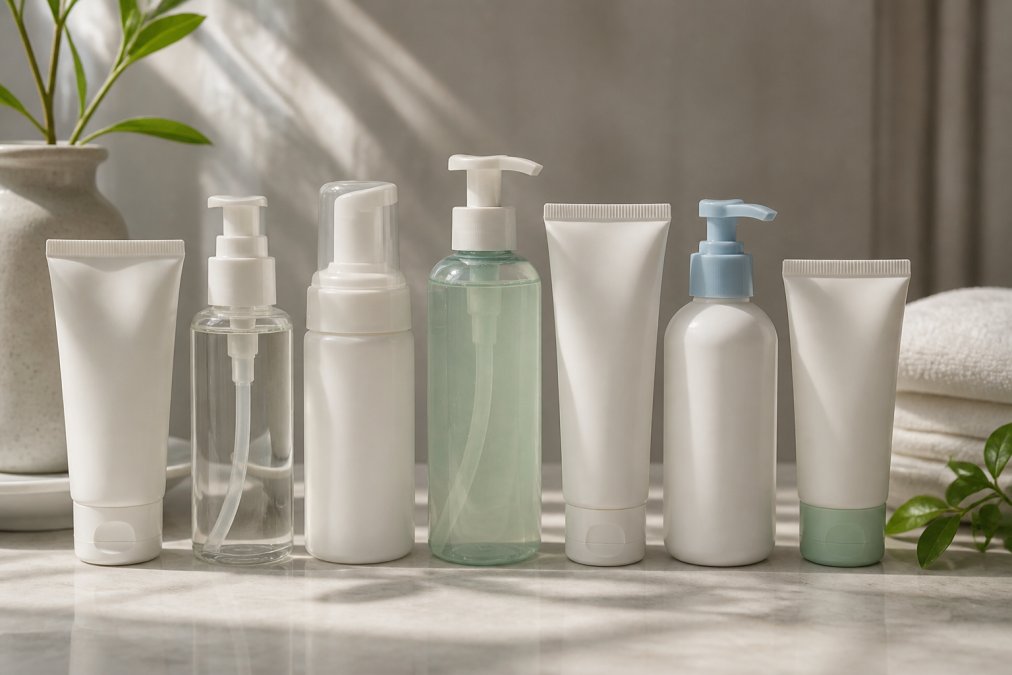
It's fragrance-free, sulfate-free, hypoallergenic, and works with all acne treatments without amplifying irritation.
Pros: Deep hydration during cleansing, ceramides actively repair barrier, works with all acne medications, no fragrance or sulfates, pH-balanced
Cons: Higher price point than drugstore options, limited availability outside specialized retailers
2. CeraVe Hydrating Cleanser: Ceramide-Rich Barrier Support
CeraVe delivers all three essential ceramides plus hyaluronic acid in a non-foaming liquid. This cleanser lacks active acne fighters, so pair it with a separate treatment like benzoyl peroxide or salicylic acid toner. The ceramide concentration is clinical-grade, making it one of the most effective barrier-restoring cleansers available.
Many dermatologists recommend this as a "reset" cleanser when patients' barriers are damaged.
Pros: Three essential ceramides, hyaluronic acid, non-comedogenic, affordable, widely available, dermatologist-developed
Cons: No active acne ingredients, requires pairing with separate treatment, may feel too light for very oily skin
3. Eucerin DermoPurifyer Cleansing Gel: Oil Control Without Stripping
This gel uses 6% Ampho-Tensides, a gentler surfactant than sulfates, to remove excess sebum and bacteria without disrupting your barrier. The soap-free formula maintains your skin's natural pH (5.5), critical for barrier health and acne prevention.
The minimal eight-ingredient list means fewer potential irritants. Clinical testing showed it reduced blemishes from day one while improving skin texture over four weeks. It's safe during pregnancy and alongside prescription acne medications.
Pros: Gentle surfactants, minimal formula, soap-free, controls oil without over-drying, clinically proven, safe in pregnancy
Cons: May not remove waterproof makeup completely, less hydrating than cream cleansers
4. Bioderma Sensibio H2O: Micellar Cleansing for Reactive Skin
This micellar water uses micelle technology, tiny lipid spheres capturing oil and debris, rather than harsh surfactants. Designed for reactive, easily-irritated skin, it works without rinsing. The formula contains pharmaceutical-grade purified water and biomimetic soothing sugars that calm inflammation, particularly effective for red, reactive skin.
Micellar cleansers are gentler because they don't require water activation or friction. The physiological pH (5.5) supports barrier health.
Pros: Micellar technology gentler than surfactants, no rinsing required, calms inflammation, supports skin microbiome, effective for reactive skin
Cons: Requires cotton pads (less eco-friendly), may not provide deep cleanse for congested skin
5. Cetaphil Gentle Skin Cleanser: Fragrance-Free, Multi-Purpose Formula
Cetaphil's non-foaming liquid contains niacinamide, panthenol, and glycerin to cleanse without disrupting your barrier. Fragrance-free and hypoallergenic, it's one of the safest options for extremely reactive skin. The formula works on face and body, simplifying your routine if you have acne-prone skin on your chest or back.
This cleanser lacks active acne ingredients but is designed to be used alongside acne treatments without amplifying irritation.
Pros: Non-foaming, fragrance-free, hypoallergenic, multi-purpose, affordable, dermatologist-recommended, niacinamide and panthenol soothe irritation
Cons: No active acne ingredients, requires pairing with treatment
6. La Roche-Posay Effaclar H: Prebiotic Hydration for Treated Skin
This cream cleanser is designed for oily skin compromised by acne treatments. It contains Aqua Posae Filiformis, a prebiotic biomass supporting your skin's natural microbiome, plus niacinamide for oil control and zinc PCA to regulate sebum production.
Particularly effective for skin undergoing prescription acne treatment, it supports barrier repair while treatments work.
Pros: Prebiotic formula supports healthy microbiome, niacinamide and zinc PCA control oil and redness, cream texture hydrates while cleansing, designed for treated skin, hypoallergenic
Cons: Higher price point, cream texture may feel too heavy for very oily skin
7. MÁDARA Acne Sebum Control Clear Skin Wash: Latvian Organic Alternative
This Latvian cleanser combines Northern Yarrow extract with salicylic acid for gentle yet effective acne control. Certified organic and vegan, it appeals to those prioritizing natural ingredients. Yarrow has traditional use for balancing skin and reducing breakouts, supported by modern research on its anti-inflammatory properties.
The cleanser provides gentle exfoliation via 0.5% salicylic acid while yarrow soothes inflammation.
Pros: Organic and certified, natural yarrow extract with proven anti-inflammatory properties, salicylic acid controls sebum, vegan formula
Cons: Higher price than drugstore options, limited availability outside specialized stores
Cream vs. Gel Cleansers: Which Works Better for Sensitive Acne Skin
Gel cleansers use water and surfactants to dissolve oil and bacteria, rinsing cleanly and leaving skin feeling fresh. For oily, acne-prone skin, gels provide better oil control. However, gels can feel stripping if your barrier is compromised.
Cream cleansers use emulsifiers to blend oil and water, creating a richer texture better for dehydrated or barrier-damaged skin. For sensitive acne-prone skin that's also dry or reactive, creams often work better.
If your skin feels tight, dry, or reactive after cleansing, switch to a cream formula. If your skin feels oily but isn't irritated, a gel works fine.
Building a Skincare Routine for Sensitive Acne-Prone Skin
Cleanse twice daily with lukewarm water using your fingertips or a soft cloth, not a brush. Massage gently for 30-45 seconds, then rinse thoroughly.
After cleansing, apply acne treatment while skin is still slightly damp to help active ingredients penetrate. Wait 60 seconds for the treatment to dry, then apply a lightweight moisturizer containing ceramides or niacinamide. In the morning, follow with non-comedogenic sunscreen (SPF 30+), critical because acne treatments increase photosensitivity.
Patch test before introducing new products. Apply a small amount to your inner arm or behind your ear and wait 24 hours. Introduce new actives slowly, starting with the lowest concentration 2-3 times per week, gradually increasing frequency over 2-4 weeks.
Dermatologist-Recommended Tips for Gentle Acne Cleansing
Cleansing technique matters more than product strength. Aggressive scrubbing damages your barrier and worsens acne. Use gentle, circular motions with your fingertips. The entire process should take 30-45 seconds.
Lukewarm water is ideal: warm enough to dissolve sebum, but not so hot that it triggers inflammation. Rinse thoroughly, residual cleanser can cause irritation and clogged pores.
Most benefit from twice-daily cleansing, but if your skin feels tight or irritated, try once daily (evening only) for a week. If you're using prescription retinoids or benzoyl peroxide, use a gentle, hydrating cleanser.
Budget vs. Luxury: Cost-Per-Use Analysis for Gentle Acne Cleansers
Calculate cost-per-use rather than cost-per-bottle. A cleanser lasting three months costs roughly €0.22 per day. A cleanser lasting six weeks costs roughly €0.24 per day. The difference is minimal, making ingredient quality the deciding factor.
Some cleansers are more concentrated, requiring less product per use. Micellar waters and cream cleansers often require smaller amounts than gels.
For budget-conscious shoppers, Eucerin DermoPurifyer Cleansing Gel offers exceptional value. For those prioritizing barrier repair, CeraVe Hydrating Cleanser delivers professional-grade ceramide concentrations at accessible pricing. For those seeking organic options, MÁDARA costs more upfront but supports Latvian businesses.
The most expensive option isn't always best. What matters is whether the cleanser maintains your barrier while controlling acne.
Finding a gentle acne cleanser for sensitive skin requires balancing two competing needs: treating breakouts and protecting your barrier. The cleansers above accomplish this through thoughtful ingredient selection and formulation chemistry. Veluné's Acne-Prone Sensitive Skin Cleanser leads this category by combining three essential ceramides, niacinamide for oil control, and clinically-proven salicylic acid in a formula designed specifically for barrier repair. Start with whichever option aligns with your skin's current condition and give it 4-6 weeks before switching. Your barrier health will improve, and your acne will follow.
Frequently Asked Questions
What ingredients should I look for in a gentle acne cleanser for sensitive skin?
Prioritize ceramides (especially in formulas with three essential ceramides like CeraVe), niacinamide, hyaluronic acid, and soothing agents like Avène Thermal Spring Water. These support your skin barrier while addressing acne. Avoid sulfates, fragrance, and alcohol. Look for non-comedogenic, pH-balanced formulas that won't strip natural oils or trigger inflammation.
How often should I use a gentle acne cleanser if I have sensitive skin?
Most dermatologists recommend twice daily: morning and evening. However, if your skin feels tight, irritated, or red, reduce to once daily until your barrier recovers. Gentle cleansing is about technique and frequency balance, using a mild formula twice daily is safer than using a harsh formula once daily. Start conservatively and adjust based on how your skin responds.
Can gentle cleansers really be effective against acne, or do I need something stronger?
Gentle cleansers can be very effective. They remove excess sebum, bacteria, and debris without damaging your skin barrier, which actually reduces inflammation and breakouts long-term. Products like Eucerin DermoPurifyer use gentle surfactants with salicylic acid for exfoliation, and MÁDARA includes natural yarrow extract for acne control. The key is pairing a gentle cleanser with targeted acne treatments (serums, spot treatments) rather than relying on the cleanser alone.
Are there Latvian-made gentle acne cleansers for sensitive skin?
Yes. MÁDARA Acne Sebum Control Clear Skin Wash is a certified organic, Latvian-brand option formulated with Northern Yarrow extract and salicylic acid. It's designed specifically for oily and acne-prone skin while respecting sensitivity. MÁDARA products are vegan, cruelty-free, and widely available in Latvia and across Europe, making them a locally-rooted alternative to international brands.
How do I know if an acne cleanser is too strong for my sensitive skin?
Stop using it if you experience persistent redness, tightness, excessive dryness, stinging, or increased breakouts within the first week. A gentle cleanser should leave your skin feeling clean but not squeaky or tight. If your skin barrier is compromised, even 'gentle' products with active ingredients like salicylic acid might irritate you temporarily, in that case, start with fragrance-free, ceramide-rich formulas like CeraVe or Cetaphil before introducing exfoliating actives.
This article was written using GrandRanker