
Table of Contents
- Why Teens with Acne Need Moisturizers (Not Skip Them)
- 5 Best Non-Irritating Acne Moisturizers for Teens: Quick Comparison
- 1. CeraVe PM Facial Moisturizing Lotion: Barrier Repair Powerhouse
- 2. La Roche-Posay Effaclar Mat: Oil Control Without Drying
- 3. Neutrogena Hydro Boost Water Gel: Lightweight Hydration for All Acne Types
- 4. Cetaphil PRO Oil Absorbing Moisturizer SPF 30: Sun Protection Included
- 5. The Ordinary Natural Moisturizing Factors + HA: Budget-Friendly Barrier Support
- How to Build a Simple Teen Skincare Routine for Acne with Moisturizers
5 Best Non-Irritating Acne Moisturizers for Teens
Last Updated: August 2026
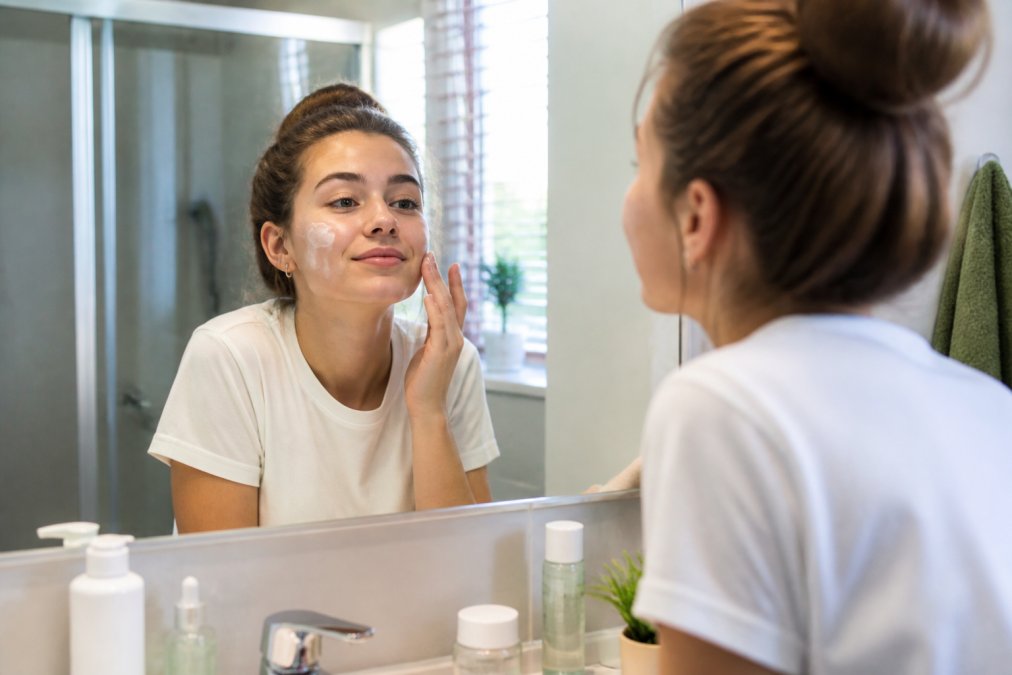
Teenage acne isn't just cosmetic, it's a confidence issue. When skin breaks out, the instinct is to strip it dry, but this backfires. Dehydrated skin triggers more sebum production, worsening breakouts. The real solution is counterintuitive: acne-prone skin needs proper hydration.
Finding the right moisturizer is where most teens and parents struggle. Many "acne-fighting" products are too harsh, leaving skin compromised. Others are so heavy they clog pores. This guide from Veluné covers the 5 best non-irritating acne moisturizers for teens, products that hydrate without irritation, strengthen the skin barrier, and prevent breakouts.
The products we've selected share one critical feature: they're non-comedogenic. They contain proven barrier-supporting ingredients like ceramides, hyaluronic acid, and niacinamide, formulated lightweight enough for acne-prone skin while being effective enough to repair damage from acne treatments.
5 Best Non-Irritating Acne Moisturizers for Teens: Quick Comparison
| Product | Best For | Key Ingredients | Price Range (EUR) | Texture |
|---|---|---|---|---|
| CeraVe PM Facial Moisturizing Lotion | Dry, sensitive, barrier-damaged skin | Ceramides, hyaluronic acid, niacinamide | Pricing depends on quantity, dates, and delivery | Lightweight lotion |
| La Roche-Posay Effaclar Mat | Oily, shiny acne-prone skin | Salicylic acid, niacinamide | Pricing depends on quantity, dates, and delivery | Oil-free, mattifying |
| Neutrogena Hydro Boost Water Gel | Normal to combination skin | Hyaluronic acid, amino acids, electrolytes | Pricing depends on quantity, dates, and delivery | Lightweight gel |
| Cetaphil PRO Oil Absorbing Moisturizer SPF 30 | Oily acne-prone skin needing sun protection | Zinc, Oleosome Technology, SPF 30 | Pricing depends on quantity, dates, and delivery | Light emulsion |
| The Ordinary Natural Moisturizing Factors + HA | Budget-conscious, all skin types | Amino acids, ceramides, hyaluronic acid, fatty acids | Pricing depends on quantity, dates, and delivery | Lightweight lotion |
1. CeraVe PM Facial Moisturizing Lotion: Barrier Repair Powerhouse
Best for teens whose skin barrier has been compromised by acne treatments or over-exfoliation. CeraVe PM contains three essential ceramides (1, 3, and 6-II), which hold skin cells together and prevent moisture loss. The formula includes hyaluronic acid for hydration and niacinamide to reduce sebum and soothe inflammation. MVE Technology releases hydration gradually over 24 hours. It's fragrance-free, vegan, and formulated for evening use when skin repairs itself. Teens using benzoyl peroxide or retinoids see dramatic improvements in comfort.
The limitation: it lacks SPF, so it's not suitable as a daytime moisturizer.
Pros:
- Repairs and strengthens the skin barrier
- Non-greasy despite being nourishing
- Fragrance-free and hypoallergenic
Cons:
- Evening-only formula; lacks SPF
- Slightly thicker than gel alternatives
2. La Roche-Posay Effaclar Mat: Oil Control Without Drying
For teens with oily, shiny skin and active breakouts. This mattifying moisturizer contains niacinamide to regulate sebum and salicylic acid for gentle pore exfoliation, while hydrating rather than stripping skin. The oil-free texture absorbs instantly, leaving a matte finish lasting up to 8 hours.
Teens with oily skin often skip moisturizer, fearing it worsens breakouts. This product proves that's unnecessary, proper hydration actually reduces excessive oil production because dehydrated skin compensates by producing more sebum. It refines pore appearance while hydrating, providing genuine moisture without greasiness.
Pros:
- Effectively controls shine and mattifies
- Includes salicylic acid for gentle pore refinement
- Hydrates without feeling greasy
- Visible pore reduction over time
Cons:
- May not provide enough hydration for dry skin zones
- Best suited for oily rather than combination skin
3. Neutrogena Hydro Boost Water Gel: Lightweight Hydration for All Acne Types
This gel-based moisturizer is the most versatile option for teens needing hydration without risk of clogged pores. Built on hyaluronic acid, amino acids, and electrolytes, it absorbs in seconds and feels weightless. The water-gel texture appeals to texture-sensitive teens, increasing the likelihood they'll use it consistently. Teens report plump, hydrated skin, which paradoxically reduces the urge to pick at blemishes. Properly hydrated skin heals faster and is less prone to post-inflammatory hyperpigmentation.
Some formulations contain fragrance, which can irritate sensitive skin. Check the ingredient list or look for the fragrance-free version.
Pros:
- Lightweight gel texture absorbs instantly
- Provides continuous hydration without heaviness
- Strengthens moisture barrier
- Suitable for sensitive and acne-prone skin
Cons:
- Some formulations contain fragrance
- May not be sufficient for very dry skin
4. Cetaphil PRO Oil Absorbing Moisturizer SPF 30: Sun Protection Included
The only moisturizer on this list combining hydration with broad-spectrum SPF 30, making it ideal for teens needing one product that does double duty. Sun exposure darkens acne scars and post-inflammatory marks, so SPF is essential. Many teens skip sunscreen because they're using multiple acne products, so a combined moisturizer-sunscreen removes that barrier.
Oleosome Technology regulates excess oil while providing UV protection, formulated specifically for oily and acne-prone skin. The light emulsion absorbs quickly without white cast on most skin tones. It simplifies the routine, teens can apply this moisturizer and sunscreen in one step, reducing product layering and irritation risk.
Pros:
- Combines moisturizing with SPF 30 protection
- Controls oil and shine effectively
- Light emulsion texture; quick absorption
- Fragrance-free and non-comedogenic
Cons:
- Formulated for oily skin; may not suit dry or combination types
- Mineral sunscreen may appear slightly chalky on some skin tones
5. The Ordinary Natural Moisturizing Factors + HA: Budget-Friendly Barrier Support
For teens on a tight budget or parents hesitant to spend significantly on skincare. The formula mimics the skin's natural moisturizing components: amino acids, fatty acids, triglycerides, ceramides, and hyaluronic acid. This product does one thing exceptionally well: it hydrates and strengthens the barrier without unnecessary extras. For teens whose skin is already irritated from acne treatments, this stripped-down approach is often exactly what's needed.
Because it's affordable, teens are more likely to use it consistently, and consistency builds a healthy skin barrier. A moisturizer used sporadically won't outperform one used twice daily.
Pros:
- Extremely affordable
- Provides strong hydration and barrier support
- Simple formula with no unnecessary additives
- Non-comedogenic and suitable for all skin types
Cons:
- Contains no acne-fighting actives
- Does not include SPF
- Minimal packaging; no pump dispenser
How to Build a Simple Teen Skincare Routine for Acne with Moisturizers
A proper skincare routine for acne-prone skin isn't complicated but must be consistent. Most teens use too many products at once, overwhelming the skin barrier and triggering irritation. Start with essentials and add products gradually.
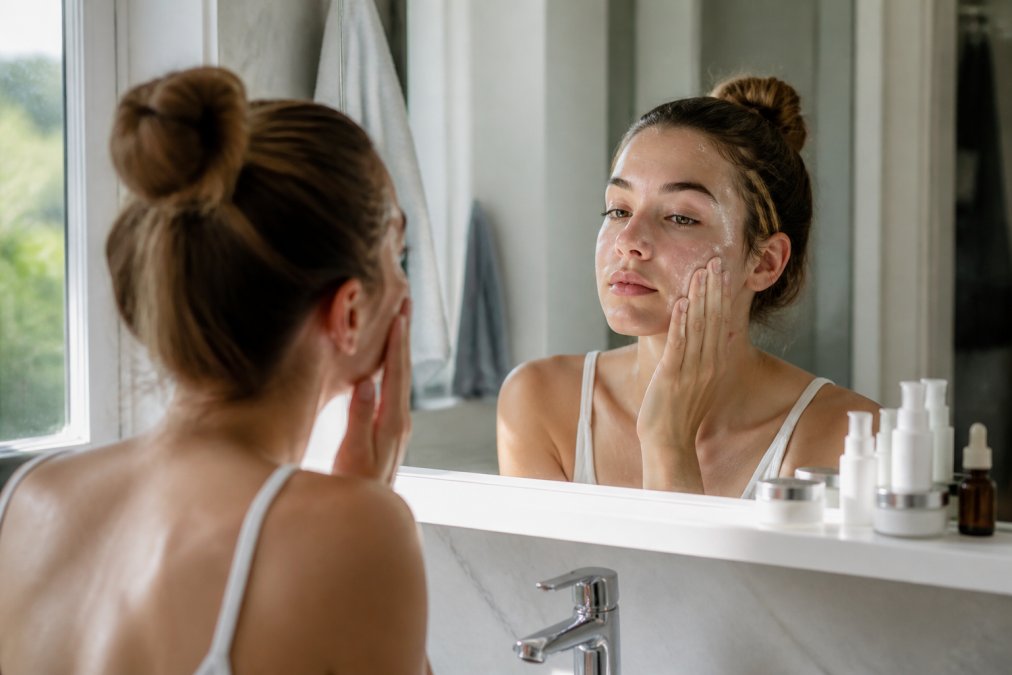
The foundation is: cleanse, treat, moisturize, and protect. Acne medications like benzoyl peroxide and salicylic acid are effective but drying. Without proper moisturization, the skin barrier breaks down, worsening acne.
Morning Routine: Lightweight Protection
Use a gentle, non-comedogenic, fragrance-free cleanser. Wash with lukewarm water for 30 seconds, then pat dry. Apply acne treatment if using one and wait 5-10 minutes for it to dry. Apply moisturizer while skin is still slightly damp using a dime-sized amount, pressing gently rather than rubbing. For oily skin moisturizers, use less. Apply broad-spectrum SPF 30 or higher. If using Cetaphil PRO with SPF, this step is complete. Otherwise, use a separate sunscreen and wait 15 minutes before makeup or going outside.
Total time: 10-15 minutes
Evening Routine: Repair and Hydration
Use the same gentle cleanser, washing for 30 seconds and patting dry. If using prescription acne medication like tretinoin or adapalene, apply now. These are used at night due to sun sensitivity. Wait 20 minutes for skin to dry completely before moisturizing. Apply evening moisturizer more generously than in the morning using about a nickel-sized amount and massage gently into skin. Optional: if skin is very dry or irritated, apply a thin layer of Aquaphor or Vaseline over the moisturizer to seal in hydration and accelerate barrier repair.
Total time: 8-12 minutes
Key Ingredients to Look For in Acne Moisturizers for Teens
Hyaluronic acid holds up to 1,000 times its weight in water, drawing moisture into skin and plumping it from within. It's lightweight and non-comedogenic. Ceramides are lipids that form the outer layer of skin cells and prevent moisture loss. The three most important are NP, NS, and EOP (ceramides 1, 3, and 6-II). Niacinamide (vitamin B3) regulates sebum production, reduces inflammation, and strengthens the skin barrier. Squalane is a lightweight oil that mimics natural sebum and is non-comedogenic despite being an oil. Amino acids and fatty acids support the skin barrier and improve hydration without triggering irritation.
Ingredients to Avoid in Acne Moisturizers for Teens
Heavy oils like coconut oil and mineral oil are often comedogenic. Fragrance and essential oils are common irritants, even when "natural." Silicones like dimethicone can clog pores in some people. High concentrations of alcohol are drying and irritating. Lanolin and cetyl alcohol are heavy waxes that can be comedogenic. The safest approach is to stick with products specifically formulated for acne-prone skin and labeled "non-comedogenic."
Why Non-Comedogenic Formulas Matter for Acne-Prone Skin
Non-comedogenic means the product has been tested and shown not to clog pores or trigger breakouts. This is the single most important label when choosing a moisturizer for acne-prone skin. Pore-clogging happens when a product's ingredients accumulate in the follicle, trapping sebum and bacteria. Teens often don't realize their moisturizer is contributing to breakouts because they assume moisturizers can't cause acne, but heavy, occlusive formulas absolutely can. Only products tested for comedogenicity should carry that label. Research confirms that non-comedogenic products significantly reduce breakout frequency in acne-prone individuals compared to untested alternatives.
Addressing Sensitive and Reactive Skin in Acne-Prone Teens
Some teens have acne AND sensitive skin, a challenging combination. The solution is to prioritize barrier repair and use the gentlest formulations. For sensitive, acne-prone skin, CeraVe PM is often the best choice. It contains ceramides and hyaluronic acid without actives that might trigger irritation. The Ordinary Natural Moisturizing Factors + HA is another excellent option with its minimal ingredient list reducing irritation risk.
When introducing new products to sensitive, acne-prone skin, use the "low and slow" approach: start with the smallest amount and increase gradually over two weeks. Patch testing is non-negotiable for sensitive skin. Apply a small amount to the inner arm or behind the ear and wait 48 hours before using on the face.
Managing Oily vs. Combination Skin Types
Oily skin produces excess sebum across the entire face. Teens with oily skin often skip moisturizer, fearing it will make skin greasier. This backfires, dehydrated oily skin compensates by producing even more sebum. The solution is a lightweight, oil-free moisturizer that hydrates without adding shine. La Roche-Posay Effaclar Mat and Cetaphil PRO Oil Absorbing Moisturizer are specifically designed for oily skin and actually reduce oiliness over time.
Combination skin is oily in the T-zone but normal to dry on the cheeks. This is the most common skin type among teens. Neutrogena Hydro Boost Water Gel works across all zones without feeling heavy. Alternatively, teens can use different moisturizers in different zones: a mattifying product on the T-zone and a more nourishing one on the cheeks.
How Long Does It Take to See Results?
For barrier repair: A good barrier-repair moisturizer like CeraVe PM shows visible improvement in 2-4 weeks. For oil control: Mattifying moisturizers like La Roche-Posay Effaclar Mat show results within 1-2 weeks, with pore refinement taking 6-8 weeks. For acne clearance: This depends entirely on the acne treatment being used, not the moisturizer. Benzoyl peroxide and salicylic acid show results in 4-8 weeks; prescription medications like tretinoin take 8-12 weeks. For hydration and comfort: A good moisturizer should feel better within 24 hours. If skin feels tight, flaky, or uncomfortable, the moisturizer isn't working.
The most important factor is consistency. A mediocre moisturizer used twice daily outperforms an excellent one used sporadically. Teens need to commit to using the product for at least 4 weeks before deciding whether it's working.
Building a sustainable skincare routine for acne-prone teens requires patience, consistency, and the right products. The five moisturizers reviewed here represent the best options available in Latvia for different skin types and concerns. Whether your teen needs barrier repair, oil control, sun protection, or budget-friendly hydration, one of these products will address their specific needs.
At Veluné, we understand that clear skin starts with a healthy barrier. Our approach prioritizes deep hydration without heaviness, helping teens restore balance and build long-term skin health. The products recommended here align with that philosophy, intentional formulations designed to support acne-prone skin through hydration, not punishment. Start with one of these moisturizers, use it consistently for four weeks, and observe how your teen's skin responds. The right product, combined with proper acne treatment and sun protection, creates the foundation for clearer, healthier skin.
Frequently Asked Questions
What makes a non-comedogenic moisturizer for teens different from regular moisturizers?
Non-comedogenic moisturizers are formulated to avoid clogging pores, which is critical for acne-prone skin. They use lighter textures (gel-based or water-based), exclude heavy oils, and often contain ingredients like hyaluronic acid, ceramides, and niacinamide that hydrate without triggering breakouts. Products like CeraVe PM and Neutrogena Hydro Boost are specifically designed to strengthen the skin barrier while remaining pore-safe, making them ideal for teens managing acne.
Can I use a moisturizer if I'm already using prescription acne treatments like benzoyl peroxide or retinoids?
Yes, and you should. Prescription acne treatments can dry out and irritate skin, making moisturizing essential. Apply your treatment first, wait for it to dry completely (usually 10-15 minutes), then apply a lightweight, non-comedogenic moisturizer. CeraVe PM and Cetaphil PRO are good choices because they contain ceramides and soothing ingredients that support barrier repair while you're using active acne medications. Always patch-test first.
How often should a teenager with acne apply moisturizer?
Most teens benefit from moisturizing twice daily: once in the morning after cleansing and once at night. If skin feels tight or irritated during the day, a second midday application is fine. Start with once daily if your skin is very oily, then increase frequency as needed. Consistency matters more than quantity; a pea-sized amount applied to damp skin works better than heavy layers.
What's the difference between budget-friendly and premium acne moisturizers?
Budget options like The Ordinary Natural Moisturizing Factors + HA (€7.50-€15.50) deliver solid barrier support with hyaluronic acid and ceramides at low cost. Premium options like Paula's Choice CLEAR Oil-Free Moisturizer (€37.00) add antioxidants, more refined textures, and additional soothing ingredients. Both can work for acne-prone skin; the difference is concentration of supporting ingredients and texture refinement, not whether they prevent breakouts.
Should I avoid all moisturizers if I have oily, acne-prone skin?
No. Skipping moisturizer can actually worsen acne because dehydrated skin produces more sebum to compensate. Oily skin needs lightweight, oil-free moisturizers like La Roche-Posay Effaclar Mat or Neutrogena Hydro Boost Water Gel. These hydrate without heaviness and often include mattifying ingredients or oil-absorbing technology. The key is choosing gel or water-based formulas, not creams.
This article was written using GrandRanker