
Table of Contents
- Gentle Acne Moisturizer vs Chemical Treatments: Which Approach Works Best
- Understanding Acne Types and Why Treatment Approach Matters
- How to Use Salicylic Acid with Moisturizer for Maximum Results
- Chemical Exfoliants: Benzoyl Peroxide and Salicylic Acid Explained
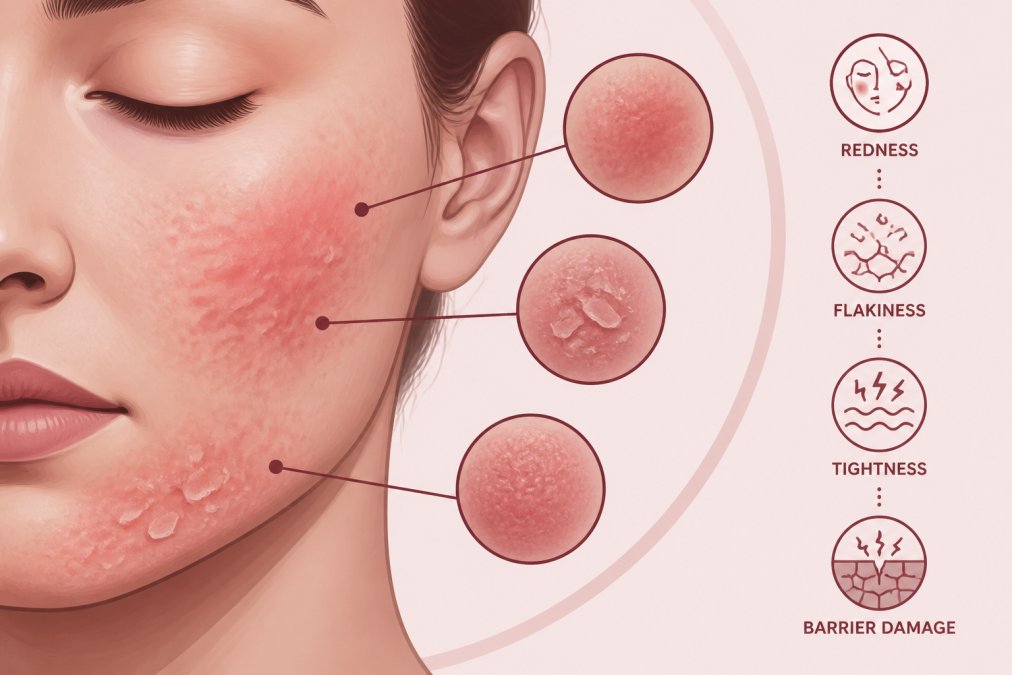
- Signs of Damaged Skin Barrier from Acne Products
- The Role of Non-Comedogenic Moisturizers in Acne Management
- How Long to See Results from Acne Treatments
- Building Your Acne Skincare Routine: Combining Both Approaches
Last Updated: August 3, 2026
Gentle Acne Moisturizer vs Chemical Treatments: Which Approach Works Best
The choice between a gentle acne moisturizer and chemical treatments isn't either-or. The most effective acne management combines both strategically. Chemical treatments like salicylic acid and benzoyl peroxide target acne by exfoliating dead skin cells and reducing sebum, but they can compromise your skin's protective barrier when used alone. A lightweight, non-comedogenic moisturizer restores that barrier, allowing your skin to tolerate stronger actives and heal faster.
Understanding Acne Types and Why Treatment Approach Matters
Acne severity determines which treatment strategy works best. Mild-to-moderate acne, characterized by occasional blackheads, whiteheads, and small inflammatory papules, typically responds well to a combination of gentle chemical exfoliation and barrier-supporting moisturization. Severe or cystic acne often requires prescription medications alongside skincare, making a supportive moisturizer even more critical.
Comedonal acne (blackheads and whiteheads) responds primarily to keratolytic agents like salicylic acid, which dissolve the keratin plugs blocking pores. Inflammatory acne requires anti-inflammatory ingredients and often benefits from benzoyl peroxide's antibacterial properties. A non-comedogenic moisturizer becomes essential because chemical treatments strip your skin's lipid barrier, leaving it vulnerable to irritation. Without proper hydration support, your skin often compensates by producing excess sebum, which paradoxically worsens breakouts.
How to Use Salicylic Acid with Moisturizer for Maximum Results
The optimal approach is to use what we call the "Moisturizer as a Buffer" technique: apply a thin layer of lightweight, hydrating moisturizer to damp skin first, wait 30-60 seconds for it to absorb slightly, then apply your salicylic acid treatment on top.
This layering order works because a hydrated skin barrier is more resilient. The pre-moisturized base reduces trans-epidermal water loss while your salicylic acid penetrates to the follicular wall. You'll still get full exfoliating benefits, salicylic acid is lipophilic and penetrates through the moisturizer layer, but with significantly less irritation and dryness. Start with this approach 3-4 times per week, then adjust frequency based on how your skin responds.
Apply your salicylic acid product within 2-3 minutes of applying the moisturizer base, while your skin still has a slight hydration boost. Wait 10-15 minutes before applying any additional products. If you're using multiple actives, space them across different days to prevent over-treatment.
Chemical Exfoliants: Benzoyl Peroxide and Salicylic Acid Explained
Two chemical exfoliants dominate acne treatment: salicylic acid (a beta-hydroxy acid) and benzoyl peroxide.
Salicylic acid is a keratolytic that dissolves the bonds between skin cells, reducing follicular hyperkeratosis. It works inside the pore itself, making it especially effective for blackheads and comedonal acne. At 2% concentration, it's gentle enough for daily use but potent enough to show visible results in 4-6 weeks. Salicylic acid is also mildly anti-inflammatory, which helps with small inflammatory papules.
Benzoyl peroxide kills Cutibacterium acnes (the bacteria responsible for inflammatory acne) and has mild keratolytic properties. It's particularly effective for inflammatory breakouts and cystic acne. However, benzoyl peroxide is more drying and irritating than salicylic acid. Start with 2.5% concentration rather than 5% or 10%, as clinical efficacy plateaus above 2.5% but irritation increases significantly.
The choice depends on your acne presentation. If you have mostly blackheads and whiteheads, salicylic acid is your primary tool. If you have inflamed papules and pustules, benzoyl peroxide is more effective. Many people benefit from using both: salicylic acid in the morning and benzoyl peroxide in the evening. Never use them simultaneously on the same evening, as the combination dramatically increases irritation risk without additional benefit.
| Active Ingredient | Primary Function | Best For | Irritation Level | Drying Effect |
|---|---|---|---|---|
| Salicylic Acid (2%) | Keratolytic, mild anti-inflammatory | Comedonal acne, blackheads | Low-moderate | Moderate |
| Benzoyl Peroxide (2.5%) | Antibacterial, keratolytic | Inflammatory acne, pustules | Moderate | High |
Signs of Damaged Skin Barrier from Acne Products
Over-treatment with chemical actives causes visible damage to your skin barrier. Recognizing these signs early allows you to adjust your routine before damage becomes severe.
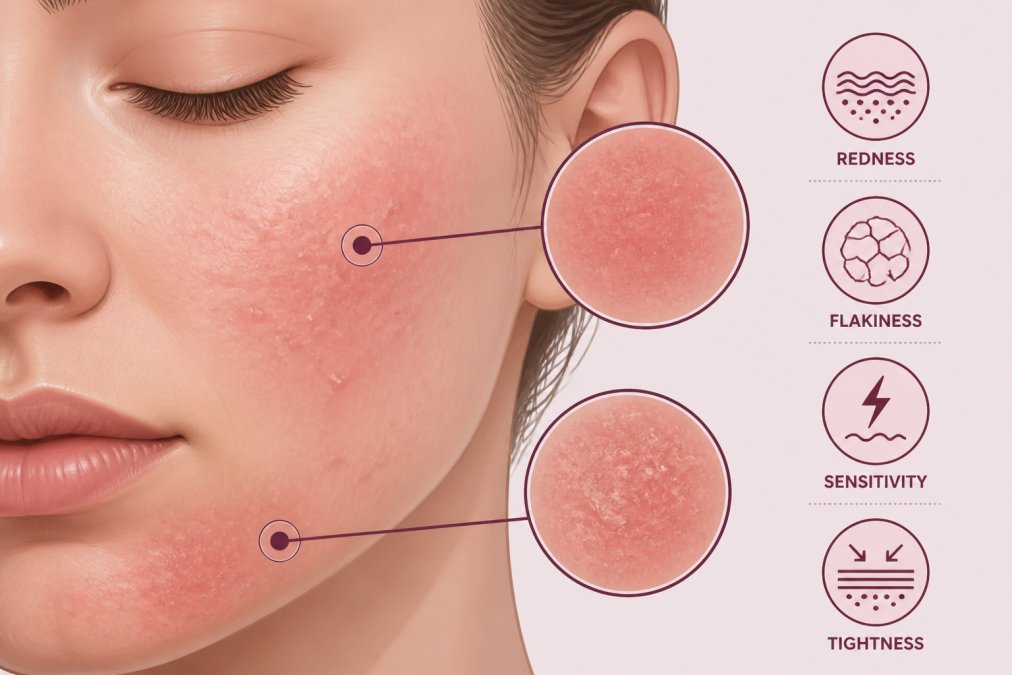
Persistent tightness and dryness that doesn't improve with moisturizer alone indicates your lipid barrier has been compromised. Visible flaking and peeling beyond what you'd expect from exfoliation, especially if accompanied by redness or sensitivity, signals barrier damage. Your skin may also become reactive to products it previously tolerated well.
Increased sensitivity and reactivity are hallmark signs of barrier compromise. Your skin becomes reactive to fragrance, essential oils, or even mild actives. You might experience burning sensations when applying products, or persistent redness that wasn't present before treatment.
If you notice these signs, pause all actives immediately and focus exclusively on barrier repair for 2-4 weeks. Use only gentle cleansing, fragrance-free moisturizers with ceramides and niacinamide, and avoid heat, strong fragrances, and additional exfoliation.
The Role of Non-Comedogenic Moisturizers in Acne Management
A non-comedogenic moisturizer is specifically formulated to hydrate without clogging pores or triggering breakouts. This distinction is critical because many standard moisturizers contain occlusive oils and butters that can trap sebum and bacteria in pores.
Non-comedogenic formulations typically use lightweight hydrating ingredients like hyaluronic acid, glycerin, and humectants that draw water into the skin without leaving a heavy residue. The best formulations for acne-prone skin also include niacinamide, which regulates sebum production and has anti-inflammatory properties, and ceramides, which restore the lipid barrier. Fragrance-free formulations are essential because fragrance is a common irritant for compromised, acne-prone skin.
Gel and lightweight cream moisturizers work better for oily, acne-prone skin than rich creams or oils. A gel moisturizer absorbs quickly, doesn't leave a shine, and won't feel heavy under makeup. Applying moisturizer to damp skin (within 60 seconds of cleansing) maximizes hydration because the water on your skin gets sealed in by the moisturizer's occlusive layer. Use a small amount, roughly a pea-sized portion for your entire face.
How Long to See Results from Acne Treatments
Timeline expectations differ significantly between gentle moisturizers and chemical treatments.
Gentle moisturizers don't treat acne directly, they support your skin's healing capacity and barrier function. You won't see acne reduction from moisturizer alone, but you will notice improved skin texture, reduced irritation, and better tolerance of active treatments within 1-2 weeks.
Chemical exfoliants (salicylic acid at 2% concentration) typically show visible results within 4-6 weeks of consistent use. You might see minor improvements in skin texture and pore appearance within 2-3 weeks, but meaningful reduction in comedones takes 4-6 weeks. This timeline assumes you're using the product 3-4 times per week and maintaining consistent moisturization.
Benzoyl peroxide works faster than salicylic acid for inflammatory acne. Many people notice reduced redness and smaller pustules within 2-3 weeks, with substantial improvement by week 6.
The timeline also depends on acne severity. Mild acne responds faster, while moderate acne typically requires 8-12 weeks of consistent treatment. Maintenance therapy is critical after achieving clear skin. Most people benefit from continuing salicylic acid 2-3 times per week indefinitely, alongside consistent moisturization.
Building Your Acne Skincare Routine: Combining Both Approaches
An effective acne routine integrates gentle moisturizers and chemical treatments into a structured protocol that maximizes efficacy while minimizing irritation.
Morning routine:
- Gentle cleanser (avoid sulfates)
- Lightweight hydrating toner or essence (optional)
- Salicylic acid treatment (2-3 times per week, or daily if your skin tolerates it)
- Non-comedogenic moisturizer applied to damp skin
- Broad-spectrum SPF 30+ (essential, chemical exfoliants increase sun sensitivity)
Evening routine:
- Gentle cleanser
- Lightweight hydrating toner (optional)
- Benzoyl peroxide or retinoid, applied to damp skin with moisturizer buffer
- Non-comedogenic moisturizer
- Optional: richer night cream or facial oil (only if your skin tolerates it without breakouts)
The key principle is alternation: if you use salicylic acid in the morning, don't use benzoyl peroxide the same evening. Space actives across different days to prevent over-treatment.
For beginners, start conservatively: salicylic acid 2-3 times per week for 2 weeks, then assess how your skin responds. If you experience tightness, flaking, or irritation, maintain that frequency or reduce to 1-2 times per week. If your skin tolerates it well, gradually increase to 4-5 times per week over 4-6 weeks.
| Routine Component | Purpose | Frequency | Key Consideration |
|---|---|---|---|
| Gentle cleanser | Remove impurities without stripping barrier | Twice daily | Avoid sulfates and hot water |
| Salicylic acid (2%) | Exfoliate and unclog pores | 2-5 times per week | Pair with moisturizer buffer |
| Benzoyl peroxide (2.5%) | Kill bacteria and reduce inflammation | 1-3 times per week | More irritating; use less frequently |
| Non-comedogenic moisturizer | Hydrate and restore barrier | Twice daily | Apply to damp skin |
| Broad-spectrum SPF 30+ | Protect from UV damage and hyperpigmentation | Daily | Essential with chemical exfoliants |
| Retinoid (optional) | Accelerate cell turnover and prevent future acne | 2-3 times per week | Use only after barrier is healthy |
The choice between a gentle acne moisturizer and chemical treatments isn't actually a choice, it's a false binary that leads to suboptimal results. The most effective approach combines both strategically, using chemical exfoliants to treat acne at its source while maintaining a healthy skin barrier with lightweight, non-comedogenic moisturization. If you've struggled with acne treatments that leave your skin irritated and dry, the answer isn't abandoning actives, it's pairing them with the right moisturizer support. Start with a consistent routine, be patient with timelines, and adjust based on your skin's response. Get started with Veluné's non-comedogenic moisturizers and build a routine that actually works for your skin.
Frequently Asked Questions
Can a gentle acne moisturizer actually help clear acne, or do I need chemical treatments?
A gentle moisturizer alone typically won't clear acne, but it plays a critical supporting role. Chemical treatments like salicylic acid and benzoyl peroxide target breakouts through active ingredients, while a non-comedogenic moisturizer protects your skin barrier and reduces irritation. The combination works better than either alone. Moisturizers with niacinamide or microbiome-balancing ingredients can help reduce sebum and inflammation alongside chemical treatments, making the overall routine more effective and sustainable.
How do I know if my skin barrier is damaged from acne products?
Signs of barrier damage include persistent redness, flaking or peeling, increased sensitivity to any product, tightness, and sometimes paradoxical breakouts. Your skin may feel uncomfortable even when using gentle products. If you notice these signs of damaged skin barrier from acne products, reduce active ingredients immediately and focus on hydration with a fragrance-free, pH-balanced moisturizer. It typically takes 2-4 weeks to see improvement with consistent barrier repair. Avoid adding new actives during this recovery period.
What's the best way to use salicylic acid with a moisturizer?
Apply your salicylic acid chemical exfoliant first to clean, completely dry skin, wait 10-15 minutes for it to absorb, then apply your lightweight moisturizer. This sequence prevents irritation by buffering the chemical treatment. Some people find applying moisturizer to damp skin first, then adding salicylic acid on top, reduces irritation further. Start with salicylic acid 2-3 times weekly and adjust based on your skin's response. Always use SPF 30+ the next morning, as chemical exfoliants increase sun sensitivity.
How long does it take to see results from acne treatments and moisturizers?
Chemical treatments like salicylic acid typically show visible improvement in 4-6 weeks with consistent use, though some people see reduced breakouts within 2-3 weeks. Gentle moisturizers improve skin comfort and reduce irritation within days, but their effect on acne clarity takes longer. Maintenance therapy with both approaches produces the best long-term results. If you see no improvement after 8 weeks, consider consulting a dermatologist, as your acne may need prescription-strength treatment.
Is a lightweight moisturizer safe for oily, acne-prone skin?
Yes, a non-comedogenic, lightweight moisturizer is essential for oily, acne-prone skin, especially when using drying chemical treatments. Oil-free, gel-based moisturizers hydrate without pore-clogging or adding shine. Many people mistakenly skip moisturizer with acne-prone skin, which can trigger more sebum production and barrier damage. Look for ingredients like niacinamide or hyaluronic acid that balance hydration without heaviness. Proper hydration actually helps regulate sebum and improves treatment outcomes.
This article was written using GrandRanker