
Table of Contents
- What Hormonal Acne Actually Is and Why Gentle Cleansers Matter
- The Gentle vs. Active Paradox: Why Harsher Isn't Better for Hormonal Breakouts
- Best Ingredients for Hormonal Acne in Your Cleanser
- Building a Skincare Routine for Hormonal Breakouts
- When to See a Dermatologist for Acne in Latvia
- Cost-Benefit: Is a Quality Gentle Cleanser Worth the Investment
- Conclusion
Last Updated: August 8, 2026
What Hormonal Acne Actually Is and Why Gentle Cleansers Matter
Hormonal acne is triggered by fluctuations in estrogen and progesterone levels, particularly during the luteal phase of the menstrual cycle. Unlike surface-level breakouts caused by bacteria or debris, hormonal cystic acne develops deeper in the skin when hormonal shifts increase sebum production and follicle blockage. This type of acne tends to cluster around the jawline, chin, and lower face, areas rich in hormone-sensitive oil glands.
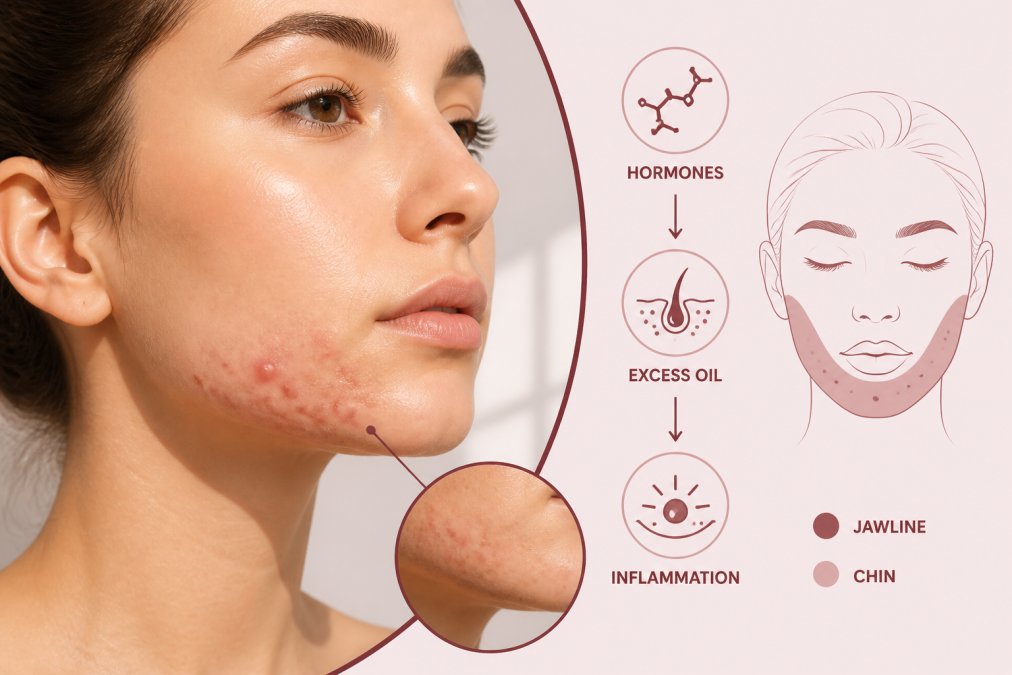
The question of whether a gentle acne wash is worth it for hormonal breakouts hinges on a critical misunderstanding. Many people believe that fighting acne requires aggressive cleansing and strong actives. In reality, hormonal acne responds better to products that protect the skin barrier while addressing inflammation. When you strip the skin with harsh cleansers, you trigger a compensatory response: increased sebum production and inflammation, which makes hormonal breakouts worse.
Gentle cleansers work for hormonal acne because they remove surface debris and excess oil without compromising the lipid barrier or causing irritation. A healthy skin barrier is non-negotiable when hormones are driving breakout-prone skin. The barrier's job is to regulate moisture and protect against inflammation, two things hormonal acne sufferers desperately need.
The Gentle vs. Active Paradox: Why Harsher Isn't Better for Hormonal Breakouts
This is where most acne advice goes wrong. The paradox is simple: stronger actives feel like they're "doing something," but for hormonal acne, they often backfire.
When you use harsh cleansers or high-concentration actives on hormonal breakouts, you're essentially creating a wound on your skin. The skin responds by increasing oil production to heal and protect itself. Simultaneously, the inflammation worsens because your barrier is compromised. You end up with more breakouts, more sensitivity, and a damaged moisture barrier that takes weeks to recover.
The evidence from dermatological practice shows that gentle cleansing paired with targeted, lower-concentration actives outperforms aggressive approaches for hormonal acne. A pH-balanced, hydrating cleanser removes impurities without triggering the skin's defensive response. Salicylic acid at 0.5-2% concentration is effective for unclogging pores without stripping the barrier. Benzoyl peroxide, when used sparingly and at lower concentrations, can address inflammation without causing excessive dryness.
The paradox resolves when you stop thinking of "gentle" as "weak." A gentle cleanser that maintains your barrier strength while removing debris is more effective than a harsh one that damages the very thing protecting you from breakouts.
Best Ingredients for Hormonal Acne in Your Cleanser
Salicylic Acid and Gentle Exfoliation
Salicylic acid is a beta hydroxy acid that dissolves sebum and removes surface debris inside pores. For hormonal acne, the key is concentration and frequency. A cleanser containing 0.5-2% salicylic acid provides gentle exfoliation without the irritation of physical scrubs or higher-concentration treatments.
The benefit of salicylic acid in a cleanser is that it works briefly on the skin before rinsing, unlike leave-on treatments that sit on your face all day. This short contact time means you get pore-clearing benefits without over-exfoliating. For hormonal breakout-prone skin, this is ideal. You're addressing follicle blockage without compromising the barrier.
Many people skip salicylic acid entirely because they've had bad experiences with harsh acne washes. But a gentle, pH-balanced cleanser with low-concentration salicylic acid is fundamentally different from the astringent products that dried out their skin in the past. The difference lies in the formula's supporting ingredients, hydrators and barrier-protecting lipids that prevent the dryness and irritation of older acne products.
pH Balance and Barrier Protection
Your skin's natural pH is slightly acidic, around 4.5-5.5. Most traditional soaps are alkaline (pH 9-10), which disrupts your barrier and triggers inflammation. A pH-balanced cleanser maintains your skin's natural acidity, preserving the lipid barrier and the beneficial bacteria that protect you from breakouts.
For hormonal acne, pH balance is non-negotiable. When your cleanser is too alkaline, it strips the protective lipid barrier. Your skin compensates by producing more sebum. Hormones are already driving excess oil production, adding an alkaline cleanser on top accelerates the problem.
Look for cleansers labeled as pH-balanced or formulated for sensitive skin. These typically fall in the 4.5-6.5 range. Veluné's approach to cleansing focuses on maintaining this balance while delivering hydration without heaviness, ensuring that your barrier stays intact even as you address breakout-prone skin.
Ingredients to Avoid When You Have Breakout-Prone Skin
Certain ingredients worsen hormonal acne by triggering inflammation or disrupting the barrier. Alcohol denat (denatured alcohol) is a common culprit, it strips oils and irritates sensitive skin. Fragrance, both synthetic and natural, can trigger inflammatory responses. High-concentration essential oils like tea tree or lemon are often touted as acne fighters, but they're too harsh for daily cleansing and can damage the barrier.
Sulfates are surfactants that create lather and strip oils aggressively. SLS (sodium lauryl sulfate) and SLES (sodium laureth sulfate) are particularly drying. For hormonal acne, a sulfate-free cleanser prevents the excessive stripping that leads to compensatory sebum production.
Avoid cleansers with heavy oils or silicones if you have oily, breakout-prone skin. These ingredients can clog pores and trap bacteria. Non-comedogenic formulas are essential, they're tested to confirm they won't trigger breakouts in acne-prone individuals.
Building a Skincare Routine for Hormonal Breakouts
The Role of Cleansing in Your Daily Routine
Cleansing is the foundation of any routine for hormonal acne, but it's not about frequency or intensity, it's about consistency and gentleness. Cleanse twice daily: once in the morning to remove overnight oil and debris, and once at night to clear the day's impurities and allow your skin to repair itself.
The process matters. Use lukewarm water, not hot. Hot water opens pores and can trigger inflammation. Apply your gentle cleanser with your fingertips, not a washcloth or brush, physical friction irritates breakout-prone skin. Massage gently for 30-60 seconds, then rinse thoroughly with cool water to calm the skin.
After cleansing, your skin is primed to absorb the rest of your routine. This is where many people make mistakes, they skip hydration or use heavy products that clog pores. The truth is, hormonal acne doesn't mean you skip moisturizing. It means you choose the right moisturizer.
Hydration and Barrier Repair: Non-Negotiable Steps
After cleansing, apply a hydrating toner or essence while your skin is still damp. This step locks in moisture and prepares your skin to absorb subsequent products. Look for toners with glycerin, hyaluronic acid, or niacinamide, ingredients that hydrate without clogging pores.
Next, apply a lightweight, non-comedogenic moisturizer. This is where many people with oily, breakout-prone skin resist, they believe moisturizer will make their acne worse. The opposite is true. A damaged barrier produces more oil as a compensatory response. A hydrated barrier regulates sebum production naturally.
The moisturizer should feel weightless and absorb quickly. Veluné's philosophy of deep hydration without heaviness directly addresses this need, products that restore skin balance and barrier strength without the greasy feeling that triggers concerns about clogged pores.
If you're using any active ingredients (like salicylic acid in your cleanser or a retinoid at night), hydration becomes even more critical. Actives can irritate and dry the skin, so a solid hydration step prevents barrier damage and reduces the inflammation that worsens hormonal breakouts.
A basic routine for hormonal acne looks like this:
- Morning: Gentle cleanser → hydrating toner → lightweight moisturizer → SPF
- Evening: Gentle cleanser → hydrating toner → lightweight moisturizer (optionally with a targeted treatment like low-concentration benzoyl peroxide or retinoid)
Consistency matters more than complexity. A simple routine you follow daily outperforms a complicated one you skip. Many people with hormonal acne sabotage themselves by constantly switching products, never giving their barrier time to heal.
When to See a Dermatologist for Acne in Latvia
If your hormonal acne persists despite a consistent, gentle routine for 8-12 weeks, it's time to consult a dermatologist. In Latvia, dermatologists are available through both private practices and the public healthcare system. Your general practitioner can refer you to a dermatologist, or you can contact a private dermatology clinic directly.
A dermatologist can assess whether your acne is purely hormonal or if other factors, like bacterial overgrowth, fungal infection, or severe barrier damage, are contributing. They can also prescribe treatments that over-the-counter products cannot, such as topical antibiotics, stronger retinoids, or hormonal treatments like oral contraceptives if appropriate.
Hormonal acne that's severe, painful, cystic, or leaving scars warrants professional evaluation. A dermatologist can recommend treatments like chemical peels, professional-grade topical treatments, or in some cases, oral medications that address the hormonal component directly.
Cost-Benefit: Is a Quality Gentle Cleanser Worth the Investment
The real question isn't whether a gentle acne wash costs more, it's whether the results justify the investment. Consider the hidden costs of using the wrong cleanser.
A harsh acne wash might cost less upfront, but it often leads to barrier damage that requires weeks of recovery and additional products to repair. During that recovery period, your acne typically worsens. You end up buying more products, serums, masks, treatments, trying to fix the damage. The total cost of the wrong product plus damage control often exceeds the cost of a quality gentle cleanser from the start.
A quality gentle cleanser formulated for hormonal acne delivers consistent results. It removes impurities without triggering inflammation or barrier damage. Over time, your skin stabilizes. You need fewer additional products because your barrier is strong and your acne is controlled. The cost-per-use decreases significantly when a single product prevents the cascade of problems that cheaper alternatives create.
Beyond the financial calculation, consider the intangible cost of persistent, worsening acne. Hormonal breakouts affect confidence and quality of life. A product that actually works, one that prevents breakouts rather than just treating them, has value that extends beyond the price tag.
For those with hormonal acne and a compromised barrier, investing in a gentle, intentional cleanser is one of the highest-ROI skincare decisions you can make. It's the foundation that allows every other product in your routine to work effectively.
Hormonal acne responds to a fundamentally different approach than other types of breakouts. The gentle acne wash is worth it not because it's a miracle product, but because it's the correct tool for the job. A cleanser that maintains your barrier while addressing pore congestion and inflammation is the foundation of any routine that actually works for hormonal breakouts. At Veluné, we understand that long-term skin health requires intentional, consistent care that respects your barrier. Our gentle cleansing approach, paired with hydrating products designed to restore balance and barrier strength, gives you the tools to manage hormonal acne without the damage that harsh products cause. Start with a quality gentle cleanser, commit to consistent hydration, and give your routine 8-12 weeks to work. If hormonal acne persists, consult a dermatologist. The combination of the right products and professional guidance, when needed, addresses hormonal breakouts at their source.
Frequently Asked Questions
Is a gentle acne wash actually effective for hormonal breakouts, or is it just marketing?
Gentle acne wash works for hormonal breakouts when it includes the right active ingredients like salicylic acid while maintaining skin barrier health. The key is that hormonal acne is driven by internal hormonal fluctuations, not just surface dirt. A harsh cleanser strips your skin's protective lipid barrier, triggering more oil production and inflammation, which worsens breakouts. A gentle formula with pH balance and non-comedogenic hydration supports your skin's natural defenses while treating existing congestion. Results typically appear within 4-6 weeks of consistent use.
What are the best ingredients for hormonal acne in a cleanser?
Salicylic acid (0.5-2%) is the most effective active ingredient for hormonal acne because it unclogs follicles and reduces sebum buildup. Pair it with pH-balancing compounds and hydrating ingredients like glycerin or hyaluronic acid to prevent barrier damage. Avoid sulfates and alcohol, which strip skin and trigger reactive oil production. Non-comedogenic formulas prevent pore congestion without adding heaviness. If your skin is sensitive, start with lower concentrations of actives and introduce them gradually over 2-3 weeks.
When should I see a dermatologist for acne in Latvia?
See a dermatologist if breakouts persist beyond 8-12 weeks of consistent home care, if acne is severe or cystic, or if you suspect underlying hormonal issues (irregular periods, excess facial hair). In Latvia, you can access dermatological care through your primary care physician (ģimenes ārsts) via the national health system or privately. A dermatologist can prescribe stronger treatments like topical retinoids, oral antibiotics, or hormonal therapies if cleansers and over-the-counter products aren't sufficient.
Can I use a gentle cleanser if I have oily, acne-prone skin?
Yes, in fact, it's essential. Oily, breakout-prone skin often gets worse with harsh cleansers because stripping the skin triggers sebum overproduction as a compensation response. A gentle, pH-balanced cleanser removes excess oil and surface debris without damaging your moisture barrier. Follow with a lightweight, non-comedogenic hydrating product to prevent your skin from overcompensating with excess oil. This approach stabilizes sebum production over time better than aggressive scrubbing or drying products.
This article was written using GrandRanker