
Table of Contents
- Why People Seek Natural Alternatives to Harsh Acne Medication
- Best Natural Ingredients for Acne and How They Work
- Natural Alternatives vs. Prescription Treatments: What the Evidence Shows
- Safety Considerations: Dilution, Patch Testing, and Skin Sensitivity
- Hormonal Acne, Inflammatory Acne, and When Natural Remedies Fall Short
- When to See a Dermatologist in Latvia
- Budget-Friendly DIY Natural Remedies vs. Formulated Products
- Conclusion
Last Updated: August 7, 2026
Why People Seek Natural Alternatives to Harsh Acne Medication
Harsh prescription acne medications work, but they come with significant trade-offs. Isotretinoin causes birth defects. Benzoyl peroxide strips skin. Oral antibiotics disrupt your microbiome. This is why natural alternatives to harsh acne medication have become mainstream, people are asking whether they can treat acne without sacrificing their skin barrier, hormonal balance, or long-term health.
The evidence suggests they're onto something. Tea tree oil kills acne bacteria as effectively as some antibiotics. Hemp seed oil restores barrier function while regulating sebum. Witch hazel reduces inflammation without harsh irritation. But here's what most guides miss: not all acne responds equally to natural remedies. Hormonal acne won't disappear with topical treatments alone. Severe cystic acne may need professional intervention. The real skill is knowing which acne type responds to which remedy, and when to see a dermatologist instead.
Best Natural Ingredients for Acne and How They Work
The most effective natural acne remedies reduce bacterial proliferation, lower inflammation, or restore the skin barrier. Each works differently and has specific dilution and application requirements.
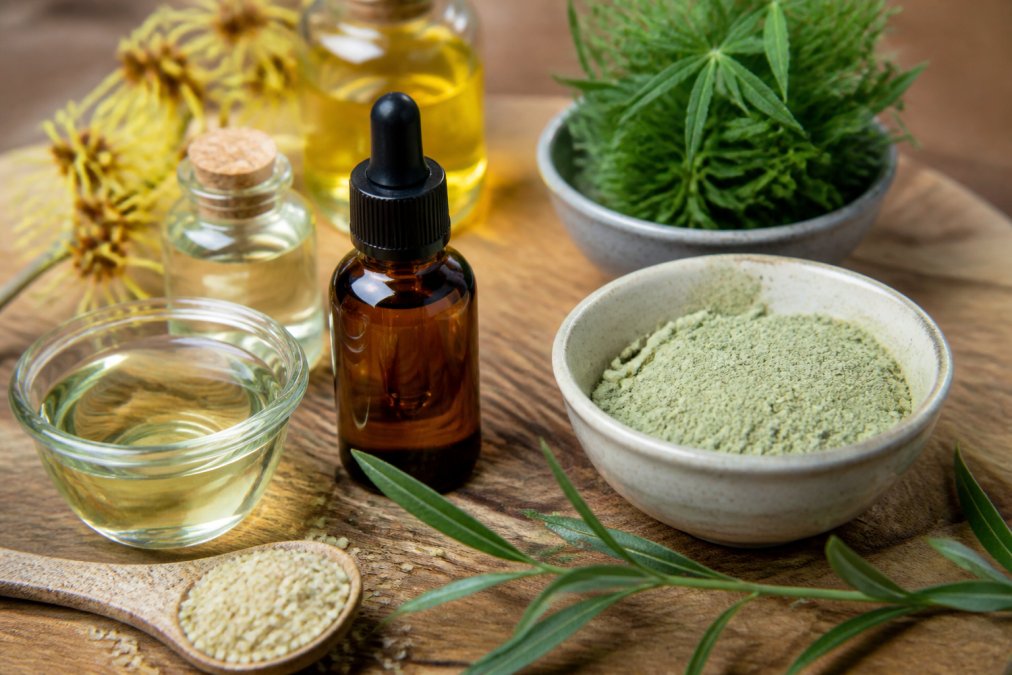
Tea Tree Oil: Antimicrobial Power with Dilution Requirements
Tea tree oil is the most researched natural acne remedy. Its antimicrobial properties target Cutibacterium acnes, the bacterium primarily responsible for inflammatory acne, by disrupting bacterial cell walls and reducing biofilm formation.
Tea tree oil must be diluted, applying it undiluted causes chemical burns. The standard dilution is 5-10% mixed into a carrier oil or water-based base. Use it as a spot treatment on active breakouts, not as a full-face toner, applying once or twice daily. Most people see improvement within 2-3 weeks.
Tea tree oil works best for bacterial acne. If your breakouts are hormonal or caused by comedogenic products, it won't solve the problem alone. It also degrades quickly once opened, so store in dark glass away from heat and replace every 6-9 months.
Witch Hazel: Natural Astringent for Sebum Control
Witch hazel is a natural astringent that tightens pores, reduces excess sebum production, and has mild anti-inflammatory properties. Unlike harsh alcohol-based astringents, it contains tannins that work gently without over-drying.
For oily, acne-prone skin, use witch hazel as a toner after cleansing, applying with a cotton pad to the entire face or T-zone. People with naturally oily skin often see visible pore reduction and less shine within a week. However, witch hazel alone doesn't kill bacteria or reduce inflammation enough to clear active breakouts, it's a supporting ingredient, not a primary treatment.
Hemp Seed Oil: Barrier Repair Without Comedogenic Risk
Hemp seed oil is non-comedogenic and won't clog pores. Its linoleic acid content aligns with the skin's natural lipid profile, strengthening the barrier without leaving residue. A compromised barrier perpetuates breakouts as skin overproduces sebum to compensate for lost moisture, creating ideal conditions for bacterial growth. Hemp seed oil interrupts this cycle, hydrating without heaviness and reducing irritation when combined with active acne treatments.
Use a few drops as a moisturizer after cleansing, or mix into your existing moisturizer. It absorbs quickly and doesn't leave skin feeling greasy. Keep it in cool, dark conditions and use within 6-9 months of opening.
Green Clay: Deep Pore Purification for Oily Skin
Green clay works through absorption, pulling excess sebum, bacteria, and dead skin cells from deep within pores. It contains minerals like magnesium and potassium that support skin health while extracting impurities. Most people use it as a weekly or bi-weekly mask, mixing the dry powder with water or a hydrating floral water.
Apply to affected areas or the entire face, leave for 10-15 minutes, then rinse. Many people see results within one application with noticeably refined pores and reduced shine. Limit application to once or twice weekly to avoid dryness.
CBD and Emerging Botanical Extracts
CBD has gained attention for acne because of its anti-inflammatory and sebum-regulating properties. Early research suggests it reduces sebaceous gland activity and calms inflammatory responses, though results vary widely. Other emerging extracts include niacinamide, green tea extract, and centella asiatica, each with preliminary evidence. Treat these as supporting ingredients rather than primary treatments.
Natural Alternatives vs. Prescription Treatments: What the Evidence Shows
Prescription treatments like benzoyl peroxide and adapalene have decades of clinical evidence and work faster for severe acne. They're more predictable and effective for cystic acne or large-area breakouts.
Natural alternatives excel in mild to moderate inflammatory acne, particularly when combined with barrier repair. They cause fewer side effects, don't disrupt your microbiome, and don't require monthly check-ins or blood work. For people with sensitive skin or a history of adverse reactions to actives, natural alternatives are genuinely the better choice.
Combining approaches works better than either alone. Using tea tree oil for bacterial control while using hemp seed oil for barrier repair addresses multiple acne mechanisms simultaneously. Start with natural alternatives if your acne is mild to moderate, your skin barrier is intact, and you have no history of severe breakouts. If you see improvement within 6-8 weeks, continue. If not, escalate to professional consultation.
Safety Considerations: Dilution, Patch Testing, and Skin Sensitivity
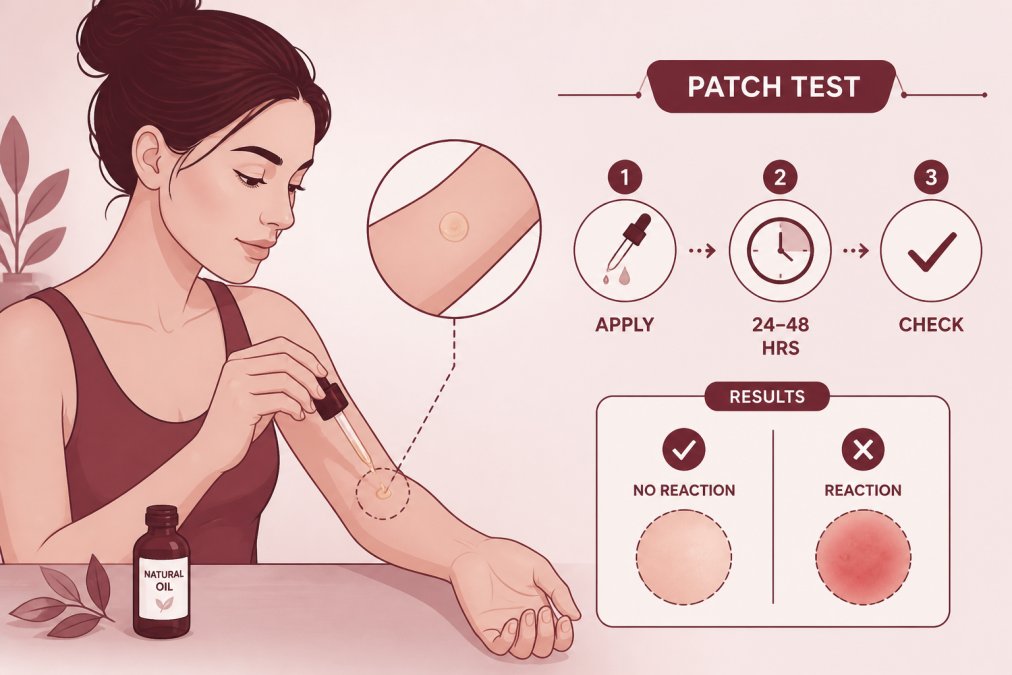
Essential oils and concentrated botanical extracts require safety protocols. Patch testing is non-negotiable. Apply a small amount to your inner arm or behind your ear and wait 24-48 hours. If you see redness, swelling, itching, or burning, don't use the product on your face.
Dilution ratios matter. Tea tree oil should never exceed 10% in a carrier base. Carrier oils are essential, never apply undiluted essential oils directly to skin. Frequency prevents sensitization. Using tea tree oil twice daily is safe; using it six times daily causes irritation and potentially damages your skin barrier.
Watch for signs of over-use: persistent redness, peeling, tightness, increased sensitivity to other products, or worsening breakouts. If you see these, reduce frequency or stop temporarily. For people with compromised skin barriers, start conservatively with lower frequencies and concentrations.
Hormonal Acne, Inflammatory Acne, and When Natural Remedies Fall Short
Inflammatory acne is caused by bacterial proliferation and immune response, presenting as red, swollen pimples. Natural remedies work well here because they directly address the mechanism. Most people see improvement within 4-6 weeks.
Hormonal acne is driven by androgens triggering excess sebum production and follicular plugging, typically appearing along the jawline and chin. Topical treatments have limited effectiveness because the root cause is systemic. Hormonal acne requires either hormonal intervention or acceptance that it will persist until hormones stabilize.
Comedonal acne (blackheads and whiteheads) responds well to pore-clearing treatments like green clay and witch hazel. Cystic acne is severe and deep, and doesn't respond well to topical treatments of any kind. This requires dermatological intervention.
If your acne is inflammatory or comedonal and mild to moderate, natural alternatives are worth trying. If it's hormonal or cystic, or covers large areas, professional consultation is necessary.
When to See a Dermatologist in Latvia
Latvia's healthcare system includes dermatological services through both public and private providers. Public dermatology is available through the national health system, though wait times can extend several weeks. Private dermatologists offer faster appointments, typically within 1-2 weeks.
See a dermatologist if: your acne is severe, cystic, or covers more than 25% of your face; you've tried natural remedies for 8-12 weeks with no improvement; your acne is hormonal and persistent; you have post-inflammatory scarring or hyperpigmentation; your acne causes significant emotional distress; or you're experiencing side effects from any treatment.
Don't wait longer than 8 weeks if natural remedies aren't working. The longer acne persists, the higher the risk of permanent scarring.
Budget-Friendly DIY Natural Remedies vs. Formulated Products
A bottle of pure tea tree oil costs significantly less than a formulated acne treatment, but DIY requires knowledge and discipline. One mistake in dilution ratio, vessel contamination, or oil expiration can cause skin damage.
Formulated products handle dilution, stability, and preservation, costing more per application but offering reliability and requiring no mixing. For most people, formulated products are worth the cost. If you're experienced with essential oils and comfortable measuring precisely, DIY can work. If you're new to natural remedies, buy formulated products.
| Remedy Type | Cost Per Month | Preparation Time | Consistency | Risk Level |
|---|---|---|---|---|
| DIY essential oil blends | €5-12 | 10-15 min per batch | Variable | Medium-High |
| Formulated natural products | €20-50 | 0 min | High | Low |
| Prescription treatments | €10-30 | 0 min | Very High | Low |
| Professional treatments | €100-300 | Appointment time | Very High | Very Low |
Conclusion
Natural alternatives to harsh acne medication work for specific acne types, applied correctly, with realistic timelines. Tea tree oil kills bacteria. Hemp seed oil repairs barriers. Witch hazel controls sebum. Green clay purifies pores. The real skill is knowing which remedy matches your acne type, understanding dilution and safety protocols, and recognizing when natural approaches have reached their limits.
Hormonal acne won't respond to topical treatment alone. Cystic acne needs professional intervention. Mild inflammatory acne often clears with consistent natural care.
Veluné's formulated natural products eliminate the guesswork. Our skincare line is designed specifically for acne-prone skin, deep hydration without heaviness, barrier restoration without comedogenic risk, and gentle renewal that actually works. If you've been through the prescription cycle and want a gentler path, or if your acne is mild and you want to avoid harsh actives altogether, shop all Veluné's intentional skincare collection. See what calm, consistent care can do for your skin.
Frequently Asked Questions
What are the most effective natural ingredients for acne-prone skin?
Tea tree oil, witch hazel, hemp seed oil, and green clay are among the most researched natural ingredients for acne. Tea tree oil has documented antimicrobial properties that reduce acne-causing bacteria when properly diluted. Witch hazel acts as a natural astringent to control sebum production. Hemp seed oil strengthens the skin barrier without clogging pores, while green clay purifies pores and normalizes sebaceous glands. The effectiveness of each depends on your specific acne type, whether it's inflammatory, hormonal, or bacterial, and your skin sensitivity.
Can natural acne remedies safely replace prescription medication?
Natural remedies work best for mild to moderate acne, particularly inflammatory acne triggered by excess sebum or bacterial proliferation. However, hormonal acne, severe acne vulgaris, or acne resistant to topical treatments often require prescription intervention. Natural alternatives can complement conventional treatments by reducing skin irritation and supporting barrier repair, but they should not replace medical advice. If your acne persists beyond 8-12 weeks of consistent natural treatment or shows signs of scarring, professional evaluation is necessary.
Are natural acne remedies safe for sensitive skin?
Many natural remedies are gentler than harsh chemical treatments, but they still require caution with sensitive skin. Essential oils like tea tree must always be diluted to avoid allergic reactions or irritation. Witch hazel, while generally safe, can dry sensitive skin if overused. Hemp seed oil and formulated products with botanical extracts are typically well-tolerated because they support the skin barrier rather than strip it. Always perform a patch test 24 hours before full application, and introduce one new product at a time to identify potential sensitivities.
What are the risks of using essential oils for acne?
Undiluted essential oils can cause chemical burns, severe irritation, or allergic reactions on the skin. Tea tree oil, for example, must be diluted in a carrier oil at a ratio of 1-2% concentration before topical use. Even diluted oils can trigger contact dermatitis in sensitive individuals. Additional risks include photosensitivity with certain oils, interaction with prescription skincare, and bacterial resistance if used inconsistently. Always source pure, quality oils, follow dilution guidelines strictly, and discontinue use if redness, burning, or rash develops.
How do I know if my acne requires a dermatologist's intervention?
Seek dermatological consultation in Latvia if your acne is severe, widespread across the face and body, accompanied by pain or deep nodules, or shows no improvement after 8-12 weeks of consistent treatment. Signs of hormonal acne (persistent breakouts along the jawline and chin), acne with scarring, or breakouts triggered by prescription medications also warrant professional evaluation. In Latvia, you can access dermatological services through your family doctor referral or private dermatology clinics. Early intervention prevents long-term scarring and helps identify underlying causes like hormonal imbalance.
This article was written using GrandRanker