
Table of Contents
- What Is the Skin Barrier and Why It Matters
- Signs of a Damaged Skin Barrier
- 1. Prioritize Gentle Cleansing to Restore Balance
- 2. Add Ceramides and Niacinamide to Your Routine
- 3. Use the Best Natural Oils for Skin Barrier Repair
- 4. Hydrate With Humectants and Occlusives
- 5. Support Barrier Repair From Within
- 6. Avoid Over-Exfoliation and Harsh Actives
Last Updated: August 15, 2026
What Is the Skin Barrier and Why It Matters
Your skin barrier is the outermost layer of your epidermis, primarily composed of the stratum corneum, a protective wall made up of dead skin cells, lipids, and ceramides. Think of it as your skin's first line of defense against environmental stressors, bacteria, and moisture loss. When this barrier functions properly, it maintains hydration, regulates inflammation, and keeps irritants out. Understanding how to repair skin barrier naturally is essential because a compromised barrier leads to sensitivity, redness, dryness, and increased acne.
The lipid barrier works by trapping water between skin cells through a structure called the "brick and mortar" model: skin cells are the bricks, and lipids (ceramides, cholesterol, and fatty acids) are the mortar holding everything together. When this seal breaks down, transepidermal water loss accelerates, your skin loses moisture faster than it can retain it. This creates a cascade of problems: inflammation spikes, the microbiome becomes imbalanced, and your skin becomes reactive to products it previously tolerated.
A damaged barrier isn't just uncomfortable. It makes your skin more vulnerable to acne-causing bacteria, speeds up visible aging, and can trigger conditions like dermatitis or rosacea. The good news: repairing your barrier doesn't require expensive treatments or complicated routines. At Veluné, we focus on the fundamentals, gentle cleansing, intentional hydration, and barrier-supporting ingredients, because long-term skin health comes from consistency, not complexity.
Signs of a Damaged Skin Barrier
A compromised skin barrier sends clear signals. Persistent redness and irritation are the most obvious red flags. Your skin may feel tight and uncomfortable even after moisturizing, or it might feel simultaneously dry and reactive. Some people experience a burning or stinging sensation when applying any product, even gentle ones. Increased sensitivity to temperature changes, fragrances, or physical touch is another telltale sign.
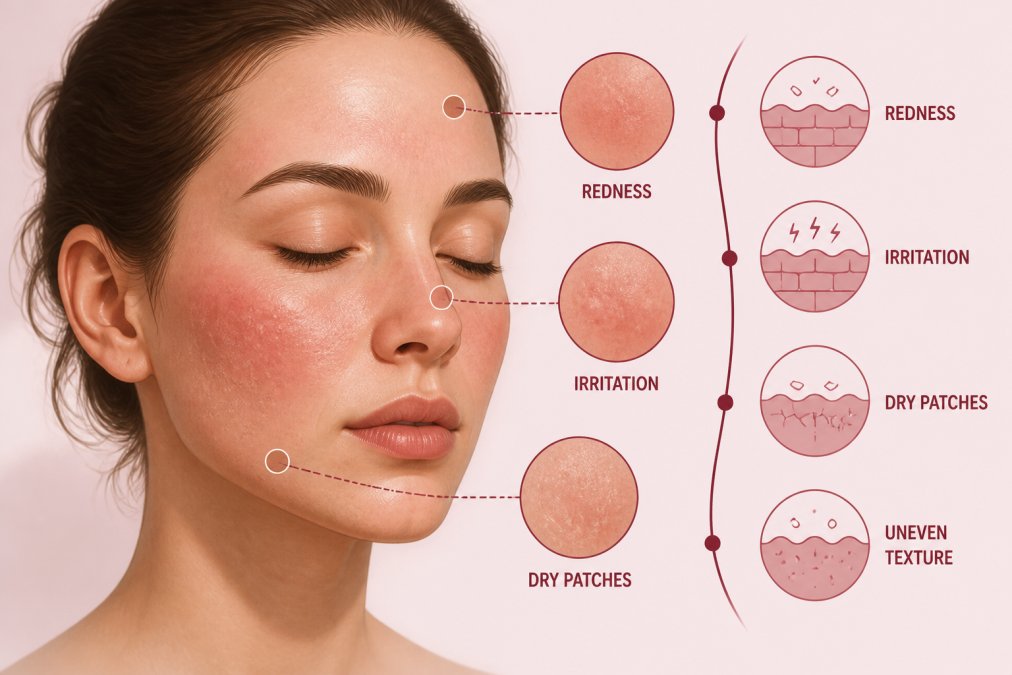
You might also notice increased breakouts or a worsening of existing acne. This happens because a weakened barrier allows bacteria to penetrate more easily and inflammation to spread. Flakiness, rough texture, and a dull complexion are additional indicators. Some people develop what feels like "reactive skin", their skin reacts negatively to products that worked fine months ago. This shift often signals barrier damage.
The timeline matters too. If these symptoms appeared suddenly rather than gradually, barrier damage is likely the culprit. A healthy barrier takes weeks to develop, but it can be compromised in days through over-exfoliation, harsh actives, or environmental stress. Pay attention to what changed in your routine or environment before symptoms started, that's often the root cause.
1. Prioritize Gentle Cleansing to Restore Balance
Cleansing is where most barrier damage begins. Harsh surfactants strip away the lipids that hold your barrier together, and many people don't realize their cleanser is the problem. A gentle cleanser should remove dirt and oil without leaving your skin feeling tight, squeaky, or uncomfortable.
Look for cleansers with a pH close to your skin's natural pH of 5.5. This pH balance is critical because alkaline cleansers disrupt the acid mantle, a thin, acidic layer that protects your barrier and maintains healthy microbiome balance. Avoid sulfates like sodium lauryl sulfate, which are extremely drying. Instead, choose formulas with mild surfactants or oil-based cleansers that dissolve makeup and impurities without stripping.
The technique matters as much as the product. Use lukewarm water, not hot, since heat opens pores and increases lipid loss. Apply your cleanser with gentle circular motions using your fingertips, avoid washcloths or brushes that physically damage the stratum corneum. Rinse thoroughly but gently, and pat your skin dry rather than rubbing. Cleanse once daily if your skin is very compromised; twice daily is fine for most people if you're using a truly gentle formula.
2. Add Ceramides and Niacinamide to Your Routine
Ceramides are the lipids your barrier desperately needs. They make up roughly 50% of your skin's barrier structure, so supplementing them topically directly addresses the root problem. Products containing ceramides help fill gaps in your stratum corneum and restore the brick-and-mortar structure. Look for formulas listing ceramides (often labeled as ceramide NP, AP, or EOP) in the first five ingredients.
Niacinamide, also called vitamin B3, is equally important. It strengthens barrier function by increasing ceramide and fatty acid production within your skin. It also reduces inflammation and regulates sebum, making it ideal for acne-prone skin with a compromised barrier. Niacinamide concentrations between 4-10% are effective without causing irritation.
The combination of ceramides and niacinamide is more effective than either ingredient alone. Ceramides provide immediate barrier support, while niacinamide works over time to help your skin rebuild its own lipid barrier. Many dermatologist-recommended formulas pair these ingredients.
Apply these products to damp skin immediately after cleansing. Damp skin application enhances absorption and helps these hydrating ingredients penetrate more effectively. Use morning and evening until your barrier shows signs of recovery, typically 4-6 weeks.
3. Use the Best Natural Oils for Skin Barrier Repair
Natural oils provide essential fatty acids and occlusives that your barrier needs. Squalane, derived from sugarcane, closely mimics your skin's natural sebum and absorbs quickly without feeling greasy. It's non-comedogenic, making it safe even for acne-prone skin. Rosehip oil contains linoleic acid, an omega-6 fatty acid that your skin cannot produce on its own but desperately needs for barrier repair.
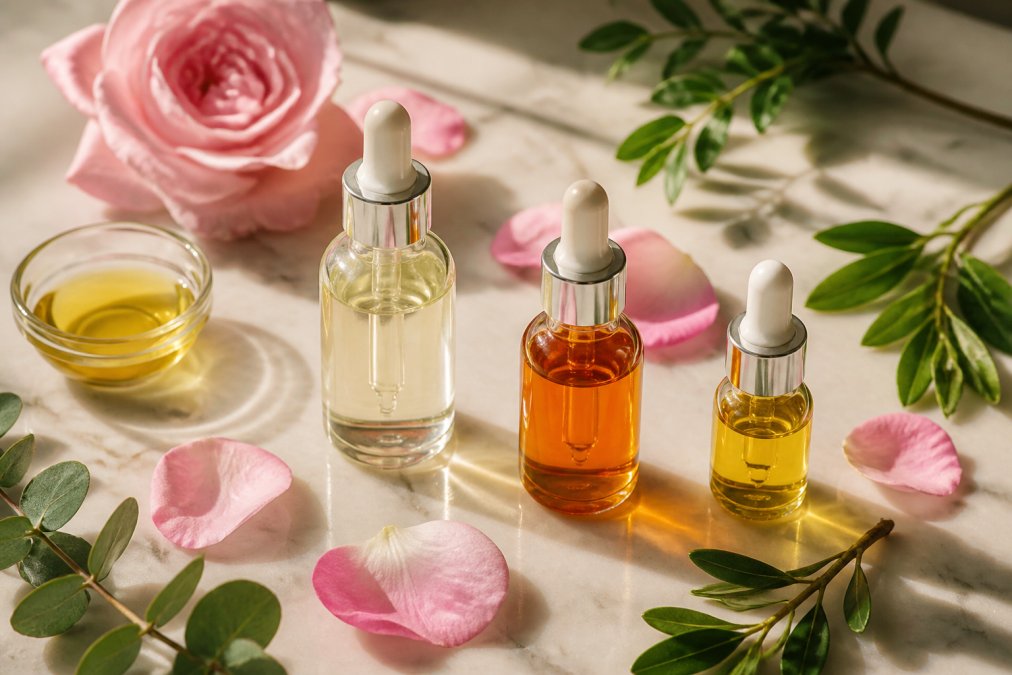
Jojoba oil is another excellent choice because its molecular structure resembles your skin's natural sebum, so it won't trigger acne or congestion. Marula oil provides antioxidants and fatty acids without heaviness. For very compromised barriers, look for products combining multiple oils.
The key to using oils without triggering breakouts is application method. Apply oils to damp skin as the last step of your routine, after serums and moisturizers. The water underneath helps oils spread evenly and absorb rather than sit on the surface. Start with 2-3 drops and adjust based on how your skin responds. If you have very oily skin or severe acne, use oils only at night and in smaller amounts.
Avoid oils with added fragrance or essential oils, which can irritate a compromised barrier. Stick to pure, cold-pressed oils or formulas specifically designed for sensitive skin. Give oils at least 4 weeks before evaluating their effect, barrier repair takes time.
4. Hydrate With Humectants and Occlusives
Hydration is the foundation of barrier repair, but most people apply moisturizers incorrectly. Hydration requires two layers: humectants (ingredients that draw water into your skin) and occlusives (ingredients that seal that water in).
Humectants include hyaluronic acid, glycerin, and panthenol. Hyaluronic acid can hold up to 1000 times its weight in water, making it extraordinarily effective for hydration. Glycerin is a simple humectant that works for all skin types. Apply humectants to damp skin so they have water to draw in, this is critical. If you apply hyaluronic acid to completely dry skin, it can actually pull moisture from deeper skin layers, worsening dryness.
Occlusives seal in that hydration. Ceramides, squalane, natural oils, and petrolatum-based products all function as occlusives. After applying your humectant serum, layer a moisturizer containing occlusives. Products like HOLIKA HOLIKA Good Cera Super Ceramide or PURITO Luminous Ceramide Moisturizer combine both, they hydrate with glycerin and lock in moisture with ceramides.
The layering order matters: cleanser → humectant serum on damp skin → occlusive moisturizer → oil (if needed). This "sandwich method" traps water between layers and maximizes hydration. For severely compromised barriers, apply moisturizer twice daily and consider a richer formula at night.
5. Support Barrier Repair From Within
Skin barrier repair begins topically but is supported by what you consume. Essential fatty acids, omega-3 and omega-6, are structural components your barrier needs but cannot produce internally. Foods rich in these fats include fatty fish (salmon, mackerel), walnuts, flaxseeds, and chia seeds. Consuming adequate protein supports collagen and ceramide production.
Antioxidant-rich foods like berries, leafy greens, and colorful vegetables reduce inflammation and support skin recovery. Vitamin C is particularly important because it's required for collagen synthesis and acts as an antioxidant. Hydration from within matters too, drinking adequate water supports your skin's ability to maintain moisture, though hydration is primarily topical for barrier repair.
Consider whether your diet lacks specific nutrients. Many people with compromised barriers benefit from adding more omega-3 sources or increasing water intake. Some practitioners recommend zinc and vitamin A, which support skin cell turnover and barrier function, though evidence is mixed. Focus on whole foods first; supplements are secondary.
Avoid inflammatory foods if you notice they trigger skin reactions. Processed foods, excess sugar, and alcohol can increase inflammation systemically, which compromises your barrier. This isn't about elimination, it's about noticing patterns in your own skin.
6. Avoid Over-Exfoliation and Harsh Actives
This is where most barrier damage happens. Over-exfoliation, whether physical (scrubs, brushes) or chemical (acids, retinoids), removes the stratum corneum faster than your skin can rebuild it. If your barrier is compromised, you need to pause exfoliation entirely.
Chemical exfoliants like AHAs and BHAs are effective but aggressive. They dissolve the lipids binding skin cells together. If you've been using these regularly and developed barrier damage, stop them completely until your barrier recovers, typically 6-8 weeks. Retinoids are even more aggressive; they increase cell turnover and can severely damage a weakened barrier.
Physical exfoliation through scrubs or brushes is equally problematic. The mechanical action damages the stratum corneum directly. Even "gentle" physical exfoliation can be too much for a compromised barrier. Avoid loofahs, facial brushes, and grainy scrubs entirely during the repair phase.
Once your barrier has recovered (when redness fades, sensitivity decreases, and your skin feels comfortable), you can reintroduce gentle exfoliation sparingly, once weekly at most. Start with a low-concentration AHA or BHA, not a retinoid. Give your barrier time to adapt before layering multiple actives.
Repairing a damaged skin barrier naturally takes consistency and patience, but the results are worth it. A healthy barrier means less sensitivity, clearer skin, and long-term resilience against environmental stressors. Veluné's approach centers on this foundation: intentional hydration, gentle cleansing, and barrier-supporting ingredients without unnecessary complexity. Start with the basics, a good cleanser, a ceramide-niacinamide moisturizer, and damp skin application, and give your skin at least 6-8 weeks to recover. Most people see meaningful improvement within this timeframe. Shop all Veluné products designed specifically for barrier restoration and long-term skin health.
| Repair Method | Key Ingredients | Timeline | Frequency |
|---|---|---|---|
| Gentle cleansing | Mild surfactants, pH 5.5 | Ongoing | 1-2x daily |
| Ceramides + niacinamide | Ceramides NP/AP/EOP, niacinamide 4-10% | 4-6 weeks | 2x daily |
| Natural oils | Squalane, rosehip, jojoba | 4+ weeks | 1x daily (night) |
| Humectants + occlusives | Hyaluronic acid, glycerin, ceramides | Ongoing | 2x daily |
| Dietary support | Omega-3, protein, antioxidants | Ongoing | Daily |
| Avoid exfoliation | None | 6-8 weeks minimum | 0x during repair |
Frequently Asked Questions
How do I heal my skin barrier fast naturally?
The fastest way to repair your skin barrier naturally is to combine three approaches: use a gentle cleanser, apply ceramides and niacinamide daily, and add hydrating oils like squalane or rosehip oil. Apply products to damp skin to lock in moisture. Most people see visible improvement in redness and irritation within 2-4 weeks when following these steps consistently. Avoid exfoliation, retinoids, and chemical peels until your barrier is restored.
Which oil is best for skin barrier repair?
Squalane is one of the most effective natural oils for barrier repair because it mimics the skin's natural lipids and penetrates without leaving a greasy residue. Rosehip oil contains essential fatty acids and vitamins that support the stratum corneum. Jojoba oil is also excellent because its composition closely matches skin sebum. For the best results, layer these oils over a hydrating serum to seal in moisture and support your lipid barrier's recovery.
How long does it take to repair a damaged skin barrier?
A mildly compromised skin barrier typically recovers in 2-4 weeks with consistent care using barrier-repair ingredients. More severe damage may take 6-8 weeks or longer. The timeline depends on how damaged your barrier is, your skin type, and how strictly you follow a repair routine. Signs of recovery include reduced redness, less irritation, and improved hydration. Be patient and avoid introducing new actives during this period, as your skin needs time to rebuild its protective lipid layer.
Can I repair my skin barrier with diet?
Yes, diet supports barrier repair from within. Eat foods rich in essential fatty acids (fatty fish, walnuts, flaxseeds), antioxidants (berries, leafy greens), and vitamin C (citrus, bell peppers) to support collagen and lipid production. Adequate hydration is crucial, drink water consistently throughout the day. Avoid excessive sugar and processed foods, which can trigger inflammation. While diet alone won't repair a damaged barrier, it works synergistically with topical care to strengthen your skin's resilience and recovery speed.
[EXTERNAL_LINK: Dermatological research on skin barrier structure and ceramides | dermatology.org]
[EXTERNAL_LINK: Mayo Clinic guide to sensitive skin and barrier dysfunction | mayoclinic.org]
[EXTERNAL_LINK: Journal of Clinical and Aesthetic Dermatology studies on niacinamide and barrier repair | jcadonline.com]
This article was written using GrandRanker