
Table of Contents
- Why Heavy Creams Don't Work for Everyone
- Understanding the Skin Barrier and Barrier Repair
- Lightweight Serums and Boosters for Skin Barrier Repair Serum Ingredients
- Balms and Recovery Creams: Targeted Repair Without the Weight
- How to Fix Damaged Skin Barrier Without Heavy Textures
- Texture-Specific Alternatives for Oily and Acne-Prone Skin
- Budget-Friendly vs. Premium Options: Performance Comparison
- When to See a Professional About Skin Barrier Damage
Last Updated: August 13, 2026
Why Heavy Creams Don't Work for Everyone
Not every skin type thrives with thick, occlusive moisturizers. If heavy creams leave your skin suffocated, trigger breakouts, or sit on the surface without absorbing, you're not alone. Barrier repair doesn't require heaviness, it happens at the ingredient level, not the texture level.
Heavy creams work for severely compromised or very dry, non-reactive skin. But for acne-prone, oily, combination, and sensitive skin, they can trap bacteria, clog pores, and delay healing. Ceramides, hyaluronic acid, niacinamide, and panthenol work equally well in lightweight serums or thick balms. What changes is how your skin accepts them and whether they create an environment where acne or sensitivity worsens.
At Veluné, we've built our approach around this principle: deep hydration without the weight that triggers irritation. This guide breaks down the most effective alternatives to heavy creams for skin barrier repair, organized by texture, ingredient strategy, and skin type, including lightweight serums, milky formulas, targeted balms, and specific strategies for oily and acne-prone skin.
Understanding the Skin Barrier and Barrier Repair
The skin barrier is a complex system of lipids, proteins, and cells that regulates hydration, protects against pathogens, and maintains skin health. When compromised, transepidermal water loss accelerates, inflammation increases, and conditions like acne, eczema, and sensitivity flare. Barrier repair requires replenishing three key lipid components: ceramides, cholesterol, and fatty acids, ideally in a 1:1:1 ratio.
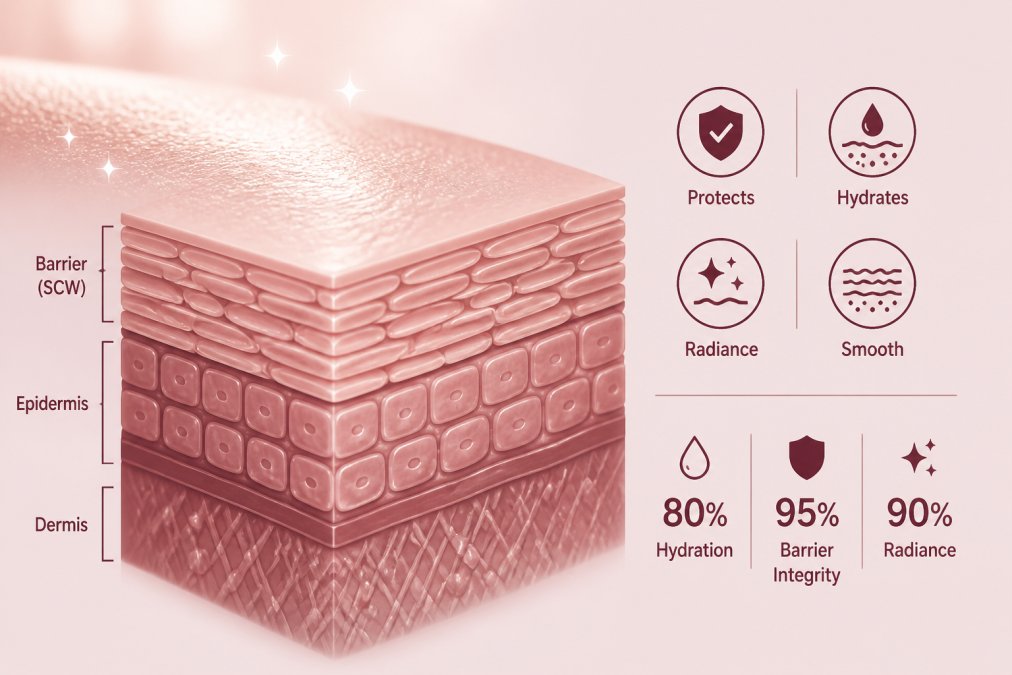
A damaged barrier shows specific signs: persistent redness, flaking or rough texture, tightness even after moisturizing, increased sensitivity to products, heightened acne or rosacea, and a dull appearance. Many people mistake these symptoms for dry skin and respond with heavier creams, which can worsen the situation if the barrier is also reactive.
The repair process typically takes 2-4 weeks with consistent use of barrier-supporting ingredients. A truly repaired barrier tolerates more without flaring, maintains hydration longer, and shows less reactivity. Lightweight alternatives work because they deliver key barrier-repair ingredients without the occlusive burden. Serums and boosters penetrate quickly, allowing ceramides and humectants to work at the cellular level. Milky formulas provide a middle ground between hydration and occlusion. Balms offer targeted repair for acute damage without covering the entire face.
Lightweight Serums and Boosters for Skin Barrier Repair
Serums deliver barrier repair without heaviness through higher concentrations of active ingredients and lighter molecular weights, allowing quick penetration and direct delivery of ceramides, hyaluronic acid, and other repair agents.
Gel-Based Hydration with Hyaluronic Acid and Minerals
Gel serums provide intense hydration while remaining completely non-occlusive. Hyaluronic acid is a humectant that pulls water from the environment and deeper skin layers into the epidermis, plumping skin and reducing damage appearance.
The Ordinary Natural Moisturizing Factors + HA contains amino acids, fatty acids, triglycerides, urea, ceramides, phospholipids, glycerin, saccharides, sodium PCA, and hyaluronic acid, essentially mimicking the skin's natural moisturizing components. The lightweight emulsion absorbs in minutes, making it ideal for oily, combination, and acne-prone skin. At approximately €7.50 for 30ml, it's one of the most affordable barrier-repair options available.
Vichy Minéral 89 Fortifying and Plumping Daily Booster combines 89% Vichy volcanic water with natural origin hyaluronic acid. The mineral content supports skin health and resilience. Its light gel-serum texture absorbs instantly, making it excellent for layering or as a standalone hydration step, particularly effective for those in urban environments where pollution compromises the barrier.
Apply both formulas to damp skin as your first hydrating step, then seal with an occlusive balm or lightweight cream.
Milky Serums: The Middle Ground Between Serum and Cream
Milky serums deliver serum benefits with more nourishment than pure gels. Skin&Lab Barrierderm Milky Serum is specifically designed for barrier restoration, containing protein to restore sensitive skin health while providing instant hydration.
Milky serums feel more substantial than gel serums without traditional cream heaviness, ideal for those who find pure serums too lightweight but struggle with cream textures. Apply to clean, damp skin and follow with a lightweight moisturizer or balm.
Balms and Recovery Creams: Targeted Repair Without the Weight
Balms are concentrated repair treatments for acute barrier damage. Unlike full-face moisturizers, they're meant for specific areas or intensive overnight treatment, providing occlusion without all-over heaviness.
La Roche-Posay Cicaplast Baume B5+ contains 5% panthenol to soothe irritation, madecassoside to reduce redness, and prebiotics to support the skin's microbiome. The balm texture is non-sticky and fast-absorbing, suitable for face and body. At approximately €8.72 for 15ml, it's affordable and hypoallergenic, fragrance-free, and suitable for infants from 3 months.
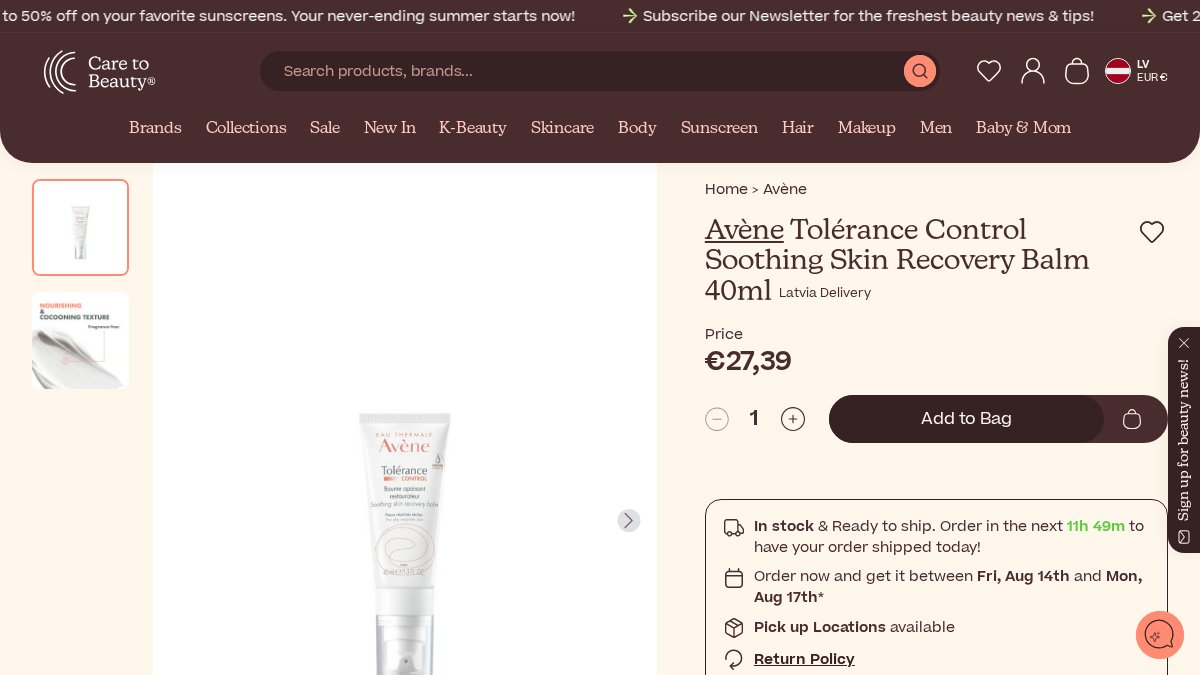
Avène Tolerance Control Soothing Skin Recovery Balm is designed for hypersensitive, reactive, or allergic skin. It contains D-Sensinose, a patented post-biotic active that calms skin in 30 seconds and restores the barrier within 48 hours. At approximately €32.99 for 40ml, the post-biotic technology justifies the price for those with severe reactivity.
SVR Topialyse Baume Protect+ is enriched with patented Ceramide AD to protect against external aggressions like dust mites and pollution, providing up to 48 hours of moisturizing effect without an adherent feel.
Apply balms as a final routine step or as intensive overnight treatment on slightly damp skin to trap hydration.
How to Fix Damaged Skin Barrier Without Heavy Textures
Repairing a compromised barrier requires hydration, barrier-supporting ingredients, and protection through layering lightweight products that work synergistically.
Layering Strategy for Maximum Hydration and Absorption
Start with a hydrating toner or essence if included in your routine. Next, apply a lightweight serum or booster to damp skin to deliver hyaluronic acid, glycerin, or mineral-based hydration. Wait 30-60 seconds for absorption.
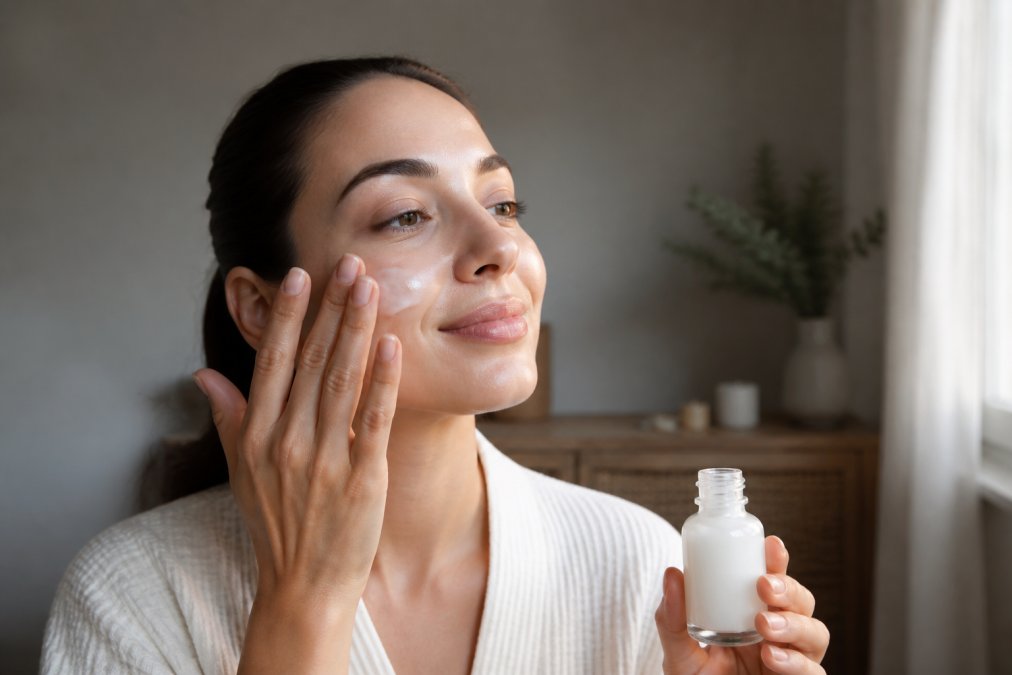
Follow with a milky serum or lightweight moisturizer if needed. Finally, apply an occlusive, balm, lightweight cream, or squalane oil, to seal everything in and prevent transepidermal water loss. The key mistake is applying everything to completely dry skin. Humectants work best when water is present; they pull moisture from the environment and deeper layers. Applying serums to damp skin increases effectiveness significantly.
Key Ingredients to Prioritize: Ceramides, Panthenol, and Niacinamide
Ceramides are the structural lipids holding the barrier together. Look for ceramide NP, ceramide AP, or ceramide EOP, the most bioavailable forms. CeraVe Moisturizing Cream contains three essential ceramides with MVE Technology for controlled release.
Panthenol (provitamin B5) is a humectant and soothing agent that reduces inflammation and accelerates repair. Most effective at 5% concentration or higher. La Roche-Posay Cicaplast Baume B5+ delivers 5% panthenol for acute repair.
Niacinamide (vitamin B3) strengthens the barrier, reduces inflammation, and improves elasticity without irritating acne-prone or sensitive skin. Hyaluronic acid holds up to 1000 times its weight in water and works best in multi-weight formulations. Squalane is an occlusive mimicking skin's natural oils without clogging pores.
Texture-Specific Alternatives for Oily and Acne-Prone Skin
Oily and acne-prone skin needs barrier repair but must account for pore sensitivity and bacterial growth. Heavy creams create an anaerobic environment where acne-causing bacteria thrive. Lightweight alternatives provide necessary ceramides and hydration without triggering breakouts.
The Ordinary Natural Moisturizing Factors + HA is formulated for all skin types, including oily and acne-prone. Its lightweight emulsion won't clog pores, and the comprehensive ingredient profile supports barrier function without excess oil. Many with acne find breakouts worsen when the barrier is compromised; this formula addresses the underlying issue without exacerbating acne.
Vichy Minéral 89 is excellent for oily skin, the gel-serum texture is completely non-comedogenic, and mineral content provides skin-supporting trace elements without added oils. Skin&Lab Barrierderm Milky Serum works well for combination skin that's acne-prone, absorbing quickly without residue.
For acne-prone skin, avoid balms as full-face treatment. Use them as spot treatments on acute damage areas or apply only as overnight masks on non-acne-prone areas.
Budget-Friendly vs. Premium Options: Performance Comparison
Barrier repair doesn't require premium prices, but understanding what you're paying for informs your choice.
| Product | Approximate Price | Best For | Key Advantage |
|---|---|---|---|
| The Ordinary Natural Moisturizing Factors + HA | €7.50-€15.50 | All skin types, budget-conscious | Comprehensive ingredient profile, excellent value |
| Vichy Minéral 89 | €31.30-€44.32 | Urban environments, all skin types | Mineral-rich volcanic water, premium texture |
| La Roche-Posay Cicaplast Baume B5+ | €8.72-€15.12 | Acute damage, sensitive skin | Affordable targeted repair, suitable for infants |
| Skin&Lab Barrierderm Milky Serum | €29.00 | Combination and acne-prone skin | Fast absorption, protein-rich formula |
| Bioderma Sensibio Defensive | €18.99 | Sensitive, reactive skin | 12-hour hydration, defensive technology |
| CeraVe Moisturizing Cream | €17.02-€25.14 | Dry to very dry skin | Large format options, ceramide-rich |
| Eucerin AtopiControl Acute Care Cream | €23.64-€36.34 | Eczema and acute flare-ups | Licochalcone A for bacteria reduction |
| Avène Tolerance Control Soothing Skin Recovery Balm | €32.99 | Hypersensitive, reactive skin | Post-biotic technology, 48-hour barrier restoration |
| SVR Topialyse Baume Protect+ | €14.29-€39.99 | Atopic skin, environmental sensitivity | Ceramide AD protection, anti-adherent effect |
Budget-friendly options (The Ordinary, La Roche-Posay Cicaplast) deliver solid barrier repair with proven ingredients. Premium options (Avène, Bioderma, Vichy) add proprietary technologies or specialized actives justifying higher prices for specific concerns. For most people, The Ordinary Natural Moisturizing Factors + HA paired with La Roche-Posay Cicaplast Baume B5+ provides excellent results at a fraction of premium brand costs.
When to See a Professional About Skin Barrier Damage
Most barrier damage responds to targeted home care within 2-4 weeks. Consult a dermatologist if you experience severe or persistent symptoms: intense itching disrupting sleep, widespread redness covering large areas, signs of infection (warmth, pus, crusting), eczema or dermatitis flare-ups unresponsive to barrier repair products, or acne worsening despite non-comedogenic alternatives. Also seek professional guidance if you have a history of allergic reactions to skincare products.
A dermatologist can prescribe barrier-repair treatments unavailable over the counter, such as topical corticosteroids or prescription-strength ceramide formulations. For compromised barriers from medical treatments (retinoids, chemical peels, laser procedures), professional guidance ensures appropriate repair support. Many dermatologists recommend a "skin barrier reset" protocol: stopping all active ingredients, using only gentle cleansing, and applying barrier-repair products for 4-6 weeks before reintroducing other treatments.
Frequently Asked Questions
What can I use instead of heavy barrier cream for oily skin?
Lightweight alternatives work best for oily skin: gel-based boosters with hyaluronic acid, milky serums, and fast-absorbing balms. These provide hydration and barrier support without clogging pores. Products containing niacinamide help regulate sebum while strengthening the skin barrier. Layer a lightweight serum first, then add a minimal amount of balm only to dry areas if needed. This approach maintains barrier health without the heaviness that triggers breakouts.
Are serums effective for skin barrier repair?
Yes, serums are highly effective for barrier repair when they contain the right ingredients. Look for ceramides, fatty acids, cholesterol, panthenol, and hyaluronic acid, these mimic your skin's natural moisturizing factors and reduce transepidermal water loss. Serums absorb quickly and can be layered under other products. For damaged barriers, use a serum as your foundation, then seal with a lightweight balm or minimal cream to lock in hydration and support barrier restoration.
What ingredients should I look for in a lightweight barrier repair product?
Prioritize ceramides (especially ceramide AD), panthenol (vitamin B5), niacinamide, hyaluronic acid, glycerin, and squalane. Ceramides and fatty acids restore the lipid barrier; panthenol soothes inflammation and supports skin repair; niacinamide strengthens barrier function and reduces sensitivity; hyaluronic acid and glycerin act as humectants to draw water into the skin. Avoid heavy occlusives like petrolatum if you prefer lightweight textures, though squalane offers occlusive benefits without the greasy feel.
How long does it take to see results when repairing a damaged skin barrier?
Most people notice initial improvements within 3-7 days: reduced redness, less tightness, and improved hydration. Full barrier restoration typically takes 2-4 weeks of consistent use. Some products claim results within 48 hours, though this usually means immediate soothing rather than complete repair. Patience is essential, skin barrier repair is cumulative. If your barrier is severely compromised, results may take longer. Consistency matters more than switching products frequently.
This article was written using GrandRanker