
Table of Contents
- What Is the Skin Barrier and Why It Matters
- Signs Your Skin Barrier Is Damaged
- How Long to Heal a Damaged Skin Barrier
- Is Skin Barrier Repair Permanent? The Real Answer
- Best Ingredients for Skin Barrier Repair
- Building a Skin Barrier Repair Routine
- Maintaining Barrier Health After Recovery
- Conclusion
Last Updated: August 18, 2026
What Is the Skin Barrier and Why It Matters
Your skin barrier is a protective layer made up of lipids, proteins, and dead skin cells that sit on the outermost part of your skin called the stratum corneum. Think of it as your skin's first line of defense against environmental stressors, bacteria, and moisture loss. This barrier controls how much water escapes from your skin (transepidermal water loss) and what gets absorbed into it. When it's functioning properly, your skin stays hydrated, calm, and resilient. When it's compromised, everything changes.
The reason barrier health matters so much is simple: a damaged barrier can't do its job. Water evaporates faster, irritants penetrate deeper, and your skin becomes increasingly sensitive to products it once tolerated. Many people don't realize their acne, redness, or persistent dryness stems from a weakened barrier rather than needing more active ingredients. Understanding your barrier's role in long-term skin health shifts how you approach skincare entirely. Instead of chasing the next active treatment, you're investing in foundation.
Signs Your Skin Barrier Is Damaged
A compromised barrier sends clear signals, but many people mistake them for other skin conditions. The most common sign is persistent tightness, your skin feels uncomfortable, especially after cleansing or applying products. This happens because your skin can't retain moisture properly. You might also notice increased sensitivity; products that never bothered you before now sting or cause redness. Some people experience a sandpapery texture or visible flaking, even in areas that were never dry before.
Redness and inflammation are also telling. When your barrier is weakened, irritants reach deeper skin layers more easily, triggering an inflammatory response. You might develop a burning sensation when applying even gentle products, or your skin might feel hot and reactive throughout the day. Acne can worsen or persist despite using acne treatments, because your skin is too compromised to tolerate them. Dehydration is another key indicator, your skin looks dull, feels tight, and hydrating products don't seem to help.
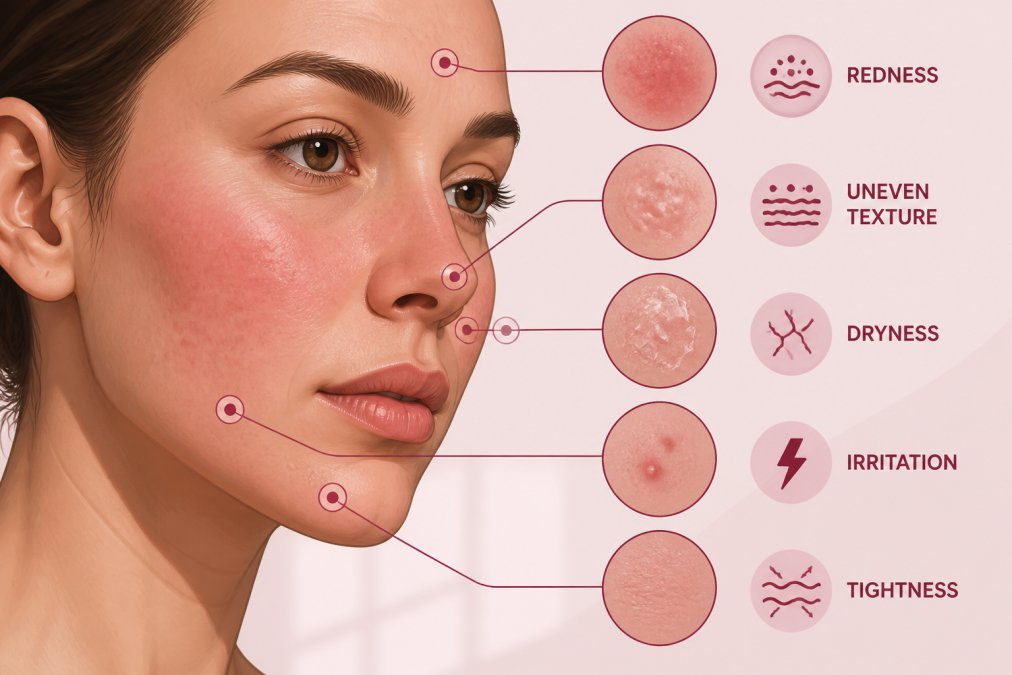
Some people also notice their skin microbiome is out of balance, leading to increased sensitivity or breakouts in areas that usually stay clear. The stratum corneum becomes visibly damaged, sometimes with a rough or compromised appearance. If you've been using strong actives like retinoids or chemical peels frequently, or if you've over-exfoliated, these signs are especially likely. The key is recognizing that these symptoms often cluster together, it's rarely just one issue.
How Long to Heal a Damaged Skin Barrier
The timeline for skin barrier repair depends on how severely it's been damaged and what caused the damage in the first place. Most people see noticeable improvement within two to four weeks of using the right approach. This is when the visible redness often starts to fade and tightness begins to ease. However, reaching full barrier function typically takes six to twelve weeks.
Why the range? Because barrier recovery happens in stages. The first stage is stopping the damage, which means cutting out irritating products and harsh treatments immediately. The second stage is providing the right ingredients to support barrier repair, which usually takes two to three weeks to show visible results. The third stage is rebuilding skin resilience, which is where the longer timeline comes in. Your skin is literally regenerating new cells and rebuilding its lipid barrier, and that process can't be rushed.
The skin healing cycle works on a natural schedule. Your skin cells turn over roughly every 28 days, so you need at least one full cycle to see meaningful progress. Two to three cycles gives you more dramatic improvement. Some people recover faster if their damage is mild, perhaps from one week of over-exfoliation rather than months of using harsh actives. Others with severe barrier compromise from prolonged mistreatment might need the full three months to feel truly confident their barrier is restored.
Consistency matters more than perfection during this timeline. Using the right products sporadically will slow your recovery. Using them daily, even if your routine is simple, accelerates it. Many people get impatient around week three or four when they still see some sensitivity and assume their routine isn't working. This is usually when they abandon the approach and try something new, which resets the clock.
Is Skin Barrier Repair Permanent? The Real Answer
Here's the honest answer: skin barrier repair itself is permanent in the sense that once your barrier is healed, the structural damage is resolved. Your stratum corneum is restored, your lipid barrier is rebuilt, and your skin's ability to retain moisture and defend itself returns to normal. That repair doesn't spontaneously undo itself.
However, and this is the critical part, your barrier can be damaged again. Skin barrier repair is permanent only if you maintain the conditions that keep it healthy. This is where most people misunderstand the question. They think "permanent" means "I fix it once and never worry again." What it actually means is "I fix it and then protect it going forward."
Your barrier's durability depends entirely on how you treat your skin after recovery. If you return to using harsh products, over-exfoliating, or using strong actives without proper support, you'll damage it again. The barrier itself doesn't have a weakness that makes it more vulnerable after healing, but your habits might not have changed. Think of it like recovering from an injury: once the injury heals, you're fully healed, but if you go back to the activity that caused the injury without modification, you'll get injured again.
Some people do find that their barrier becomes more resilient after successful repair. They can tolerate slightly more active ingredients or slightly harsher treatments than they could before. This might be because they've learned to use products more carefully, or because their skin has genuinely adapted. Either way, the baseline is that a repaired barrier is as durable as any healthy barrier, which is to say, quite durable if you treat it well, and vulnerable if you don't.
The permanence question also depends on your skin type and genetics. People with naturally sensitive skin or certain genetic predispositions to conditions like eczema might find their barrier is more easily compromised than someone else's. For them, "permanent" repair might require more ongoing maintenance. For others, barrier repair can be truly set-and-forget once the initial recovery is complete.
Best Ingredients for Skin Barrier Repair
The most effective ingredients for barrier repair work by replenishing what's missing: ceramides, fatty acids, and cholesterol. These three components make up the lipid barrier, and when they're depleted, your barrier falls apart. Ceramides are particularly important because they're the "glue" that holds skin cells together in the stratum corneum. Look for products listing ceramide NP, ceramide AP, or ceramide EOP, these are the most researched forms.
Hyaluronic acid is another cornerstone ingredient, though it works differently. It doesn't repair the barrier itself; instead, it draws moisture into your skin and helps it stay there. During barrier repair, hyaluronic acid keeps your skin hydrated while the structural barrier rebuilds. Use it on damp skin to maximize its effect.
Fatty acids like linoleic acid and oleic acid are essential for barrier function. Many people are deficient in linoleic acid specifically, which weakens the barrier. Products containing plant oils or ingredients rich in these fatty acids help restore balance. Niacinamide (vitamin B3) is also valuable, it reduces inflammation, supports ceramide production, and strengthens the barrier without irritation.
Avoid ingredients that disrupt barrier repair during recovery. Retinoids, vitamin C serums, alpha hydroxy acids (AHAs), and beta hydroxy acids (BHAs) should be paused entirely until your barrier is stable. These are all powerful actives that can irritate a compromised barrier. Fragrance, essential oils, and alcohol are also problematic, they're common irritants that will slow your recovery. Even "natural" ingredients can be sensitizing during this period.
Squalane and jojoba oil are gentle, barrier-supporting oils that mimic your skin's natural lipids. They're safe during repair and actually help restore barrier function. Panthenol (provitamin B5) is another gentle option that supports skin healing. The key is choosing ingredients that support rather than challenge your barrier while it's recovering.
Building a Skin Barrier Repair Routine
A barrier repair routine should be simple and focused. Complexity is the enemy of barrier recovery because every additional product is a potential irritant. Start with three steps: cleanse, treat, and moisturize.
Cleanse gently. Use a creamy, non-foaming cleanser that doesn't strip your skin. Avoid hot water, use lukewarm instead. Cleanse once daily, usually at night, and rinse your face with water only in the morning if needed. Harsh cleansing is one of the fastest ways to damage your barrier, so this step is non-negotiable.
Apply a barrier-supporting treatment. This is where a product containing ceramides, hyaluronic acid, and fatty acids comes in. A hydrating toner or essence applied to damp skin works well. Layer it on generously. This step takes two to three minutes and is where most of your barrier repair happens.
Moisturize with a cream or balm. After your treatment layer, seal everything in with a richer moisturizer. This prevents transepidermal water loss and gives your barrier the lipids it needs to rebuild. Don't worry about heaviness during barrier repair, your skin needs this protection more than it needs lightness.
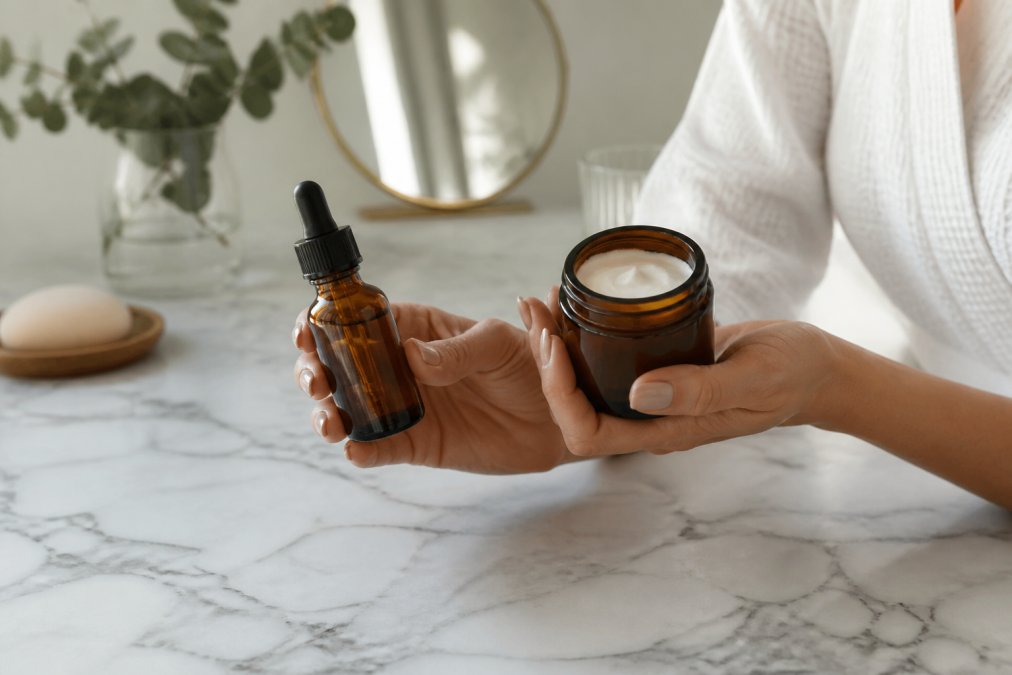
That's it. No serums, no actives, no extra steps. If your skin is extremely reactive, you might even simplify further to just cleanser and moisturizer for the first week or two. Once your barrier is noticeably better (usually around week three), you can add back a gentle treatment if you want, but keep it minimal.
Consistency matters more than perfection. Use this routine every single day, morning and night. Missing days or skipping steps will extend your recovery timeline. Many people see the best results by using the same products throughout their recovery, switching products frequently introduces new potential irritants.
Maintaining Barrier Health After Recovery
Once your barrier is repaired, maintenance is straightforward but non-negotiable. The habits that kept your barrier healthy during recovery should become permanent. Continue using a gentle cleanser, a hydrating treatment, and a supportive moisturizer as your baseline routine.
You can gradually reintroduce actives once your barrier is stable, but do it slowly. Start with one active ingredient, use it once or twice weekly, and monitor how your skin responds. If you see any return of sensitivity or redness, back off immediately. Many people find they can tolerate actives they couldn't before, but others discover they need to use them less frequently or at lower concentrations. Listen to your skin.
Protect your barrier from the elements. Sun exposure damages the barrier, so daily sunscreen is essential, not just for UV protection, but for barrier maintenance. Wind, cold, and dry air all accelerate water loss, so in harsh seasons, you might need a richer moisturizer or an occlusive layer. Internal health matters too. Hydration, sleep, and stress management all support barrier function. A dehydrated, sleep-deprived, stressed person will have a harder time maintaining barrier health than someone who addresses these basics.
Avoid the habits that damaged your barrier initially. If over-exfoliation was the culprit, don't return to weekly physical scrubs or daily chemical exfoliants. If you were using too many actives, don't stack them again. If you were using products with fragrance or alcohol, choose fragrance-free formulations going forward. The barrier repair is permanent, but your behavior determines whether you'll need another repair cycle.
Pay attention to early warning signs. If you notice your skin getting tight, reactive, or sensitive again, address it immediately with a few days of extra moisturization rather than waiting until your barrier is severely compromised again. Catching early damage and responding quickly prevents the need for another full recovery cycle.
Skin barrier repair is permanent once achieved, but maintaining that repair requires ongoing attention to what you put on and in your body. The barrier itself doesn't weaken after healing, your habits determine whether it stays strong. If you're recovering from barrier damage, focus on the two to four week window where visible improvement happens, then the six to twelve week timeline for full restoration. After that, barrier maintenance becomes part of your skincare foundation rather than an emergency intervention. Veluné's approach to deep hydration without heaviness supports both recovery and long-term barrier health, helping your skin build resilience that lasts.
Frequently Asked Questions
How long does it take for the skin barrier to repair itself?
Skin barrier recovery typically takes 2-4 weeks with consistent care, though full restoration can extend to 6-8 weeks depending on damage severity. The stratum corneum, your skin's outermost layer, regenerates continuously, but rebuilding lipid barrier function and restoring transepidermal water loss control requires sustained moisture and protection. Patience during this window is critical, rushing the process with actives or harsh products resets progress.
Is skin barrier repair permanent once healed?
Skin barrier repair is not automatically permanent. Once healed, your barrier remains resilient only if you maintain it consistently. The barrier naturally regenerates every 2-4 weeks, but without ongoing protection, hydration, gentle cleansing, and avoiding over-exfoliation, damage recurs quickly. Think of it as establishing a habit: repair is achievable, but permanence requires commitment to daily barrier-supportive practices.
What are the best ingredients for repairing a damaged skin barrier?
Ceramides, hyaluronic acid, and fatty acids are the foundation of barrier repair. Ceramides restore the lipid barrier, hyaluronic acid supports skin hydration and moisture retention, and fatty acids strengthen the protective layer. Niacinamide reduces inflammation and supports barrier function, while glycerin enhances hydration. Avoid retinoids, chemical peels, and vitamin C during active repair, these actives trigger irritation and delay healing. Fragrance-free, hypoallergenic formulas minimize risk of further damage.
How do I know if my skin barrier is actually healing?
Healing signs include reduced redness and inflammation, decreased skin sensitivity to touch or products, improved moisture retention (skin feels less tight), and reduced flaking or rough texture. Your skin will feel calmer and look smoother within 1-2 weeks. If redness persists beyond 3 weeks or sensitivity worsens, you may be using irritating ingredients, simplify your routine and consider consulting a dermatologist to rule out underlying conditions.
This article was written using GrandRanker